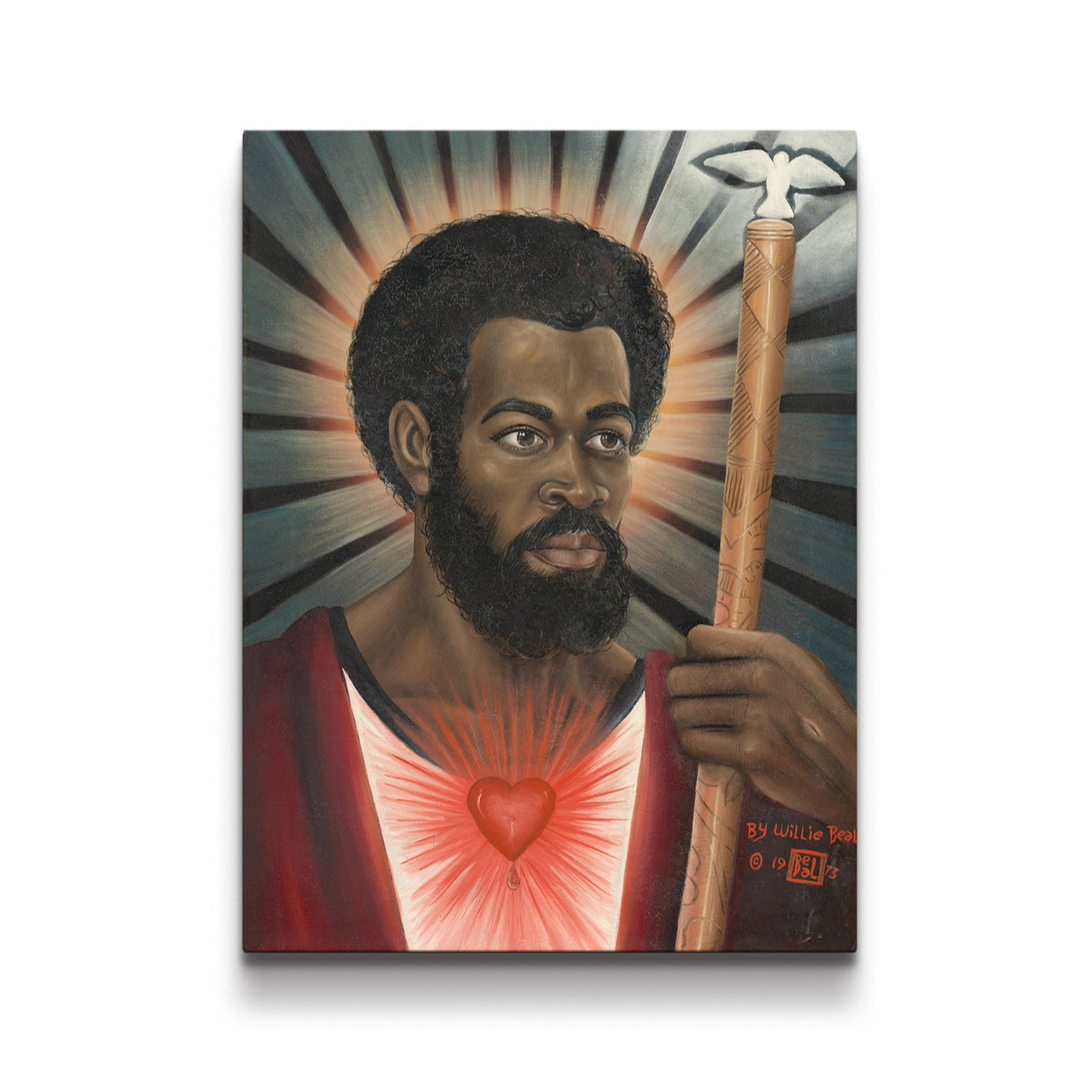
Black religious art occupies a unique space in the tapestry of art history, capturing the spiritual essence and cultural narratives of African Americans. A prominent figure within this realm is the depiction of the Black Messiah, a powerful symbol that challenges traditional iconography and invites a deeper understanding of faith, identity, and resistance. This exploration into Black religious art aims to unveil the layers of meanings and historical contexts embedded within these works, providing insight into their enduring cultural significance.
The Historical Context of Black Religious Art
Understanding Black religious art requires a dive into the historical backdrop that shaped its emergence. The African diaspora brought a fusion of spiritual practices to the New World, blending African traditions with Christianity. This unique blend offered a new way of expressing faith and identity, influencing artistic expressions significantly.
- Art as Resistance: Black religious art served as a form of resistance against oppressive narratives and structures.
- Cultural Syncretism: The merging of African spiritual motifs with Christian iconography created a distinct artistic language.
- Community and Identity: These artworks often reflect community struggles and triumphs, offering a narrative of resilience.
The Black Messiah: Symbolism and Significance
The depiction of the Black Messiah is both a powerful and controversial subject. It challenges conventional religious imagery, providing a counter-narrative to the traditionally Eurocentric depictions of Christ. This iconography is not just a statement of racial identity, but also a theological assertion.
Cultural Reclamation
The Black Messiah represents a reclamation of identity and spirituality. By portraying Christ as Black, artists emphasize the universal nature of the divine and its relevance to all cultural contexts. This portrayal encourages a broader understanding of Christianity that is inclusive and diverse. Find out more about this approach.
Theological Implications
Theologically, the Black Messiah challenges the viewer to reconsider the relationship between race, divinity, and salvation. This depiction calls for a re-evaluation of religious teachings, urging believers to embrace a more inclusive vision of spirituality. Discover expert strategies here.
Impact on Contemporary Art and Society
Black religious art continues to influence contemporary art and societal discourses. It serves as a catalyst for discussions around race, identity, and faith, inspiring new generations of artists to explore these themes in innovative ways.
- Artistic Innovation: Modern artists draw inspiration from Black religious themes to create works that speak to current social issues.
- Social Commentary: These artworks provide a platform for addressing systemic injustices and advocating for equality.
- Community Engagement: Exhibitions and installations centered around Black religious art foster community dialogue and understanding.
To explore advanced guides and tips on integrating these themes into contemporary practices, learn about our tailored solutions.
The Future of Black Religious Art
The future of Black religious art is poised to expand even further, with artists continuing to push boundaries and explore new mediums. The digital age offers fresh opportunities for artists to reach broader audiences and engage in global conversations.
- Digital Platforms: Online galleries and virtual exhibitions provide wider access to Black religious art.
- Interdisciplinary Approaches: Collaborations across artistic disciplines can result in innovative expressions and interpretations.
- Global Influence: The themes of the Black Messiah resonate internationally, fostering cross-cultural exchanges.
For more insights into the evolving landscape of Black religious art, explore advanced guides and tips.
In conclusion, the exploration of Black religious art and the depiction of the Black Messiah invite viewers to engage with profound questions about faith, identity, and culture. By challenging traditional narratives and offering new perspectives, these artworks not only honor the past but also inspire future generations to continue the dialogue. Learn more about this transformative journey.