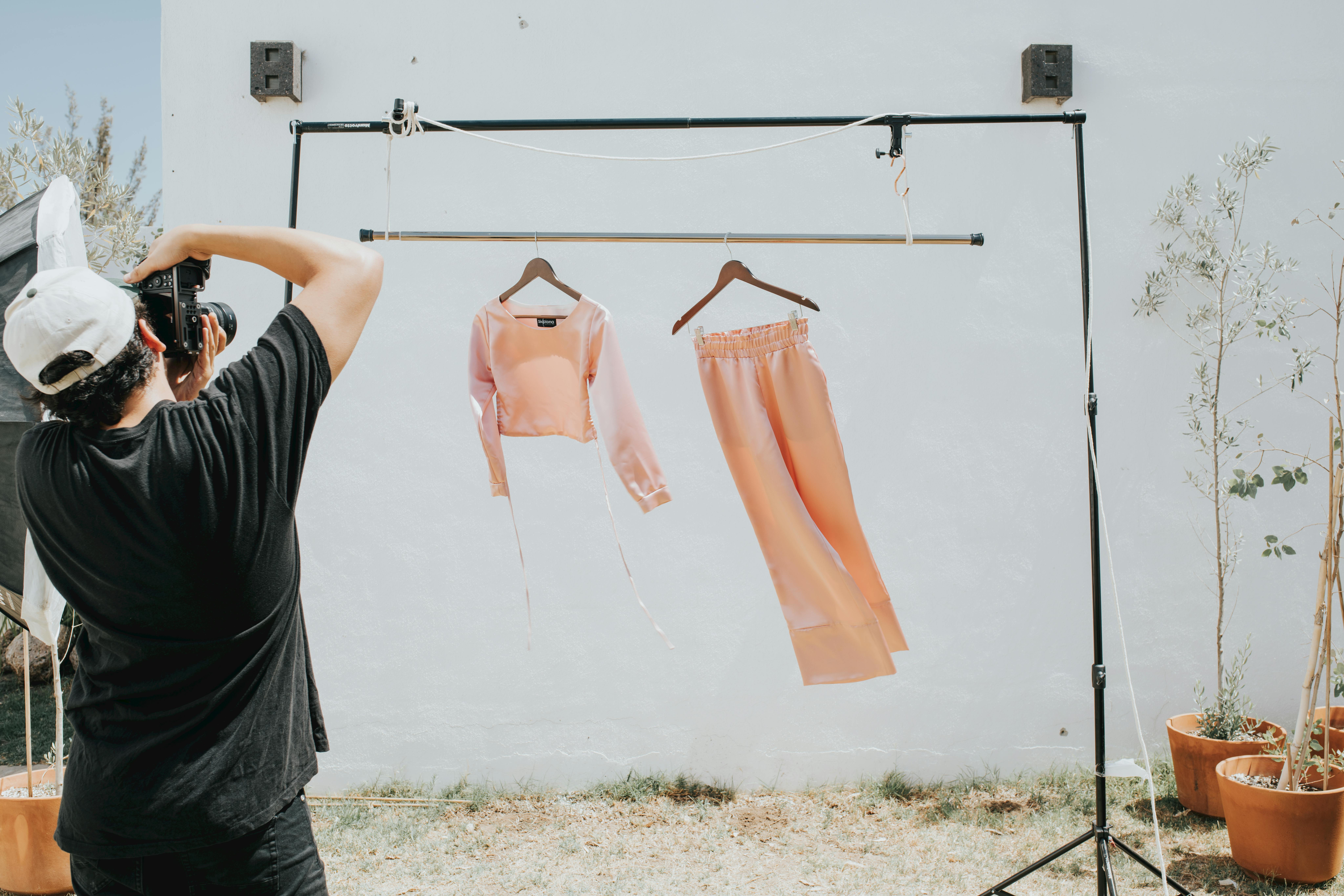
In today’s competitive fashion industry, capturing the essence of clothing through photographs is crucial for any brand aiming to make a mark. Whether it’s for a catalog, an online store, or promotional material, the quality of clothing photoshoots can significantly influence consumer perception and buying decisions. Expert studio techniques transform ordinary shoots into visually compelling showcases that highlight the texture, color, and appeal of garments. This article delves into the techniques that can elevate clothing photography, ensuring the garments are presented in the best possible light.
Understanding Lighting
Lighting is one of the most critical aspects of clothing brand photography. Proper lighting can enhance the details of the fabric, bringing out textures that might otherwise be hidden. Here are some key lighting techniques:
- Soft Lighting: Use soft boxes or diffusers to create even lighting that reduces harsh shadows and highlights the garment’s details.
- Backlighting: This technique can create a silhouette effect, adding depth and intrigue to the shot.
- Natural Light: Whenever possible, incorporate natural light to give clothing a more authentic and relatable appearance.
Choosing the Right Background
A cluttered or inappropriate background can distract from the clothing. A clothing photography studio often provides versatile backdrops that can be customized to suit the theme of the shoot. Consider these options:
- Neutral Backgrounds: White or gray backgrounds are popular for their ability to make colors pop.
- Textured Backgrounds: Using a subtle texture can add interest without taking focus away from the clothing.
- Outdoor Settings: For a more natural vibe, outdoor locations can add context and story to the garment.
Mastering Composition
Composition is the art of arranging elements within the frame to create a balanced and aesthetically pleasing image. Here are some strategies to enhance clothing studio photography:
- Rule of Thirds: Divide the frame into thirds and position the garment along these lines for an engaging composition.
- Leading Lines: Use lines in the environment to guide the viewer’s eye towards the garment.
- Negative Space: Allow space around the garment to create focus and avoid a cluttered look.
Utilizing Models Effectively
Models can bring clothing to life, showcasing how garments fit and move on the body. When planning a photoshoot for clothing, consider these tips:
- Model Selection: Choose models that align with the brand’s image and target audience.
- Posing: Encourage natural poses that showcase the garment’s features, such as its cut or fabric drape.
- Interaction: Have models interact with props or the environment to add dynamism to the shoot.
Post-Production Techniques
Editing is the final step in ensuring clothing photoshoot images are polished and professional. Here’s what to consider:
- Color Correction: Adjust colors to ensure they are true to life and consistent across all images.
- Retouching: Remove any imperfections or distractions that detract from the garment.
- Consistency: Ensure all images have a cohesive look in terms of lighting and tone.
Conclusion
Transforming clothing photography for ecommerce requires a blend of creativity and technical skill. By focusing on lighting, background, composition, model use, and post-production, a photoshoot t shirt and other garments can be showcased to their fullest potential. These expert studio techniques not only enhance the visual appeal of the clothing but also strengthen the brand’s image, making it more appealing to consumers.