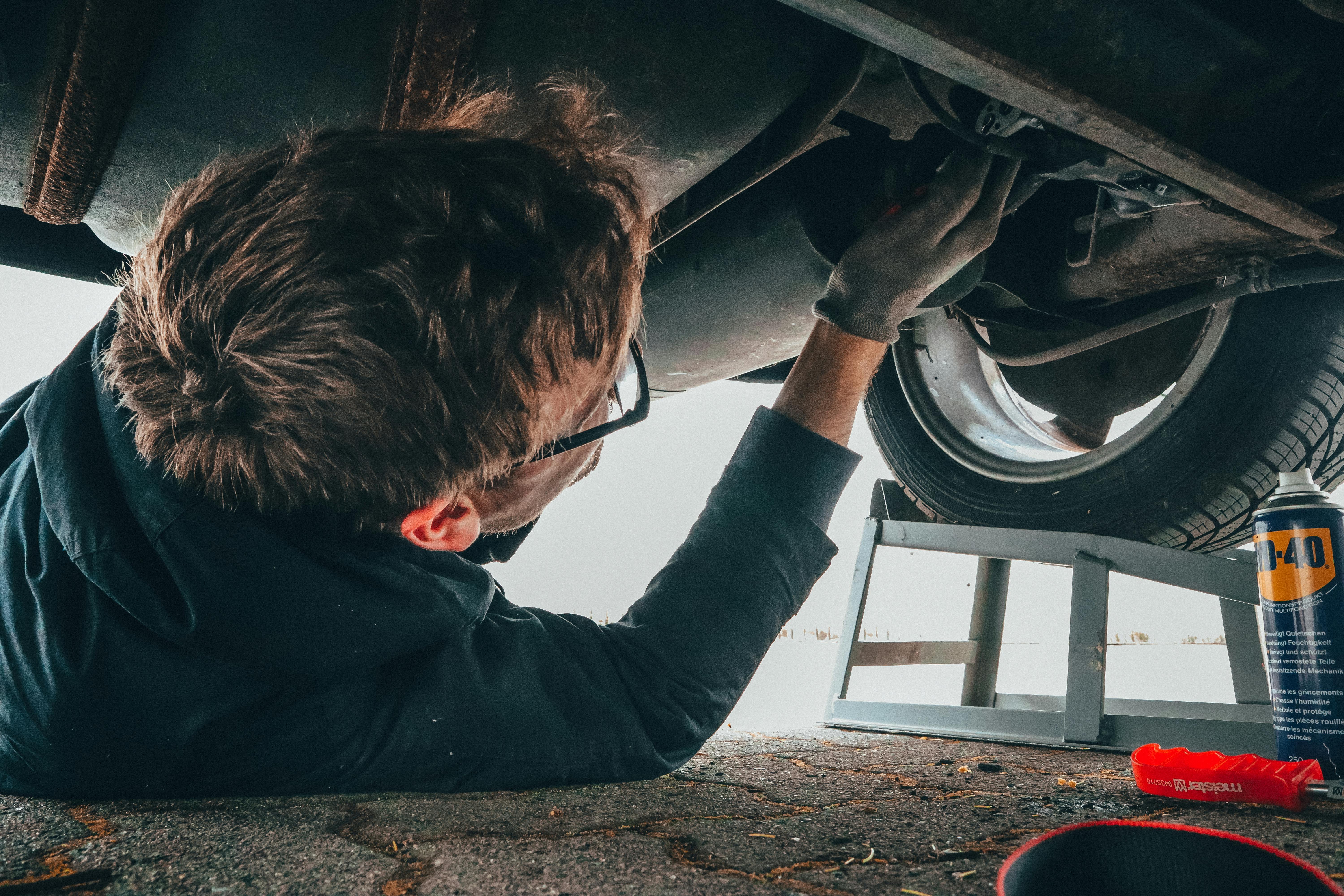
Regular car servicing is essential to maintain vehicle performance, ensure safety, and prolong the lifespan of your car. While it might seem like a daunting task, understanding the basics of car maintenance can make the process more manageable. From checking tire pressure to changing engine oil, these simple steps can prevent major repairs and save money in the long run. This article provides some fundamental tips for car servicing, helping you keep your vehicle in top shape.
Regular Oil Changes
Keeping the engine lubricated is crucial for its smooth operation. Regular oil changes are recommended, usually every 5,000 to 7,500 miles, depending on the vehicle manufacturer’s guidelines. Fresh oil ensures that the engine parts are well-lubricated, reducing friction and wear. Find out more about this approach to maintaining engine health.
Check Tire Pressure and Alignment
Proper tire maintenance is vital for fuel efficiency and safety. Check the tire pressure monthly and ensure it matches the recommended levels stated in the vehicle’s manual. Additionally, regular wheel alignment checks can prevent uneven tire wear and improve vehicle handling.
- Use a reliable tire pressure gauge for accurate readings.
- Inspect tires for any signs of damage or wear.
- Rotate tires every 6,000 to 8,000 miles for even wear.
Inspect Brakes and Brake Fluid
Brakes are one of the most critical safety features of any car. Regular inspection and maintenance are essential to ensure they function correctly. Check the brake fluid level and replace it according to the manufacturer’s guidelines. Learn about our tailored solutions for keeping brakes in top condition.
Battery Maintenance
A well-maintained battery is essential for starting the car and running electrical systems. Regularly check the battery terminals for corrosion and ensure they are clean and tightly connected. If the battery is more than three years old, consider having it tested to ensure it’s still holding a charge effectively.
Quick Battery Tips
- Keep battery terminals clean and free of corrosion.
- Test battery voltage regularly to preempt failures.
- Replace the battery once it shows signs of weakening.
Replace Air Filters
Air filters play a crucial role in keeping the engine running efficiently by preventing dirt and debris from entering. A clogged air filter can lead to reduced fuel efficiency and engine performance. Most manufacturers suggest replacing air filters every 12,000 to 15,000 miles. Discover expert strategies here for optimal engine maintenance through proper air filtration.
Fluid Checks
Various fluids like coolant, transmission fluid, and power steering fluid require regular checks and top-ups to ensure the vehicle’s systems function smoothly. Regular fluid checks can prevent overheating, ensure smooth gear shifts, and enhance steering response.
Essential Fluid Maintenance
- Check coolant levels and top up as needed to prevent overheating.
- Monitor transmission fluid levels for smooth gear operation.
- Ensure power steering fluid is at the correct level for responsive steering.
Keeping up with these basic car maintenance tasks can save time and money in the long run. By understanding and performing these essential checks, vehicle owners can ensure their cars run smoothly and safely. Explore advanced guides and tips to further enhance your car servicing knowledge and practices.