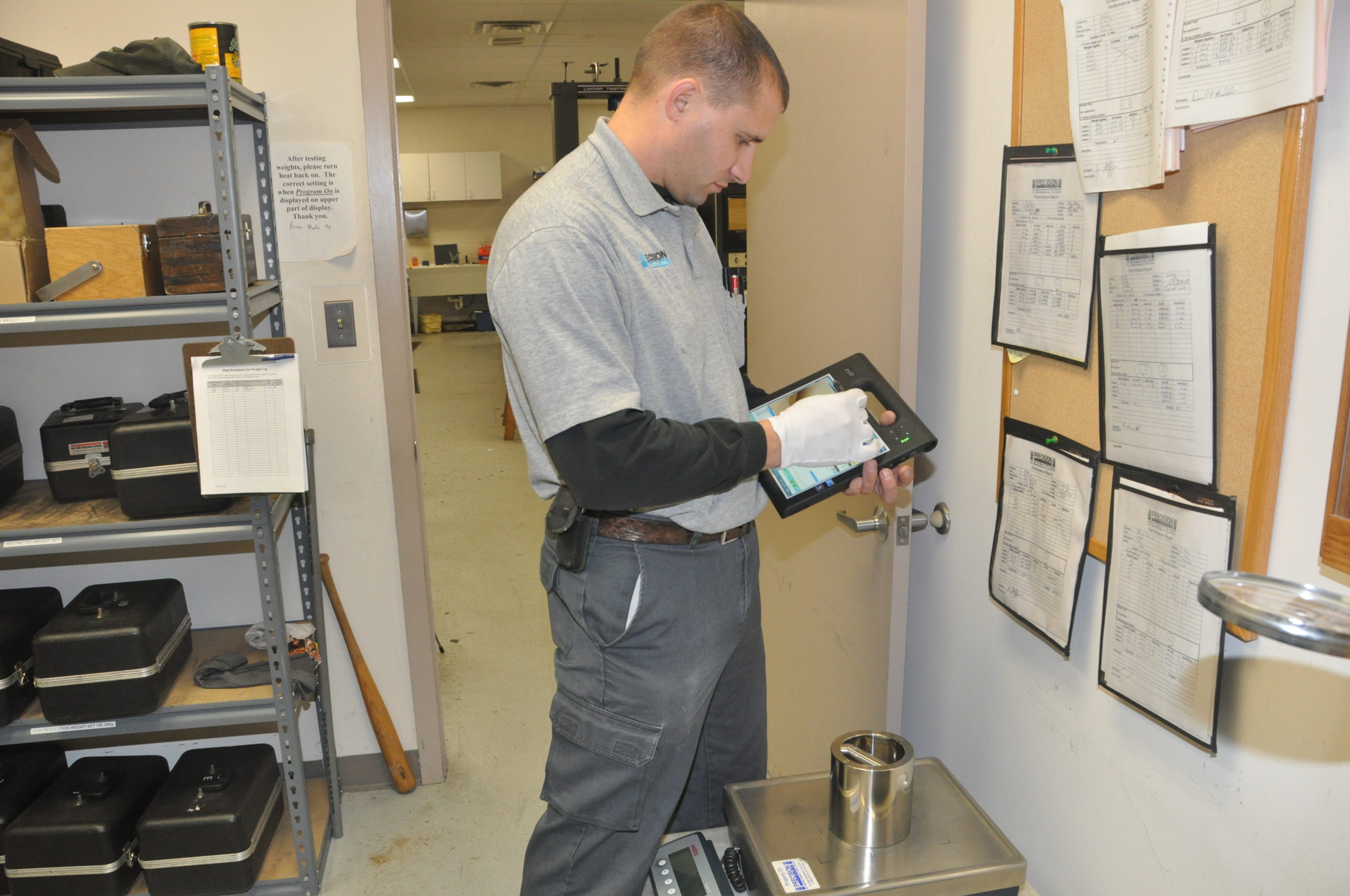
In the fast-paced world of business, accuracy and precision are crucial, especially when it comes to measurements. For industries that rely heavily on weighing scales, regular scale calibration is not just a routine task but a vital practice that can significantly impact operational efficiency and product quality. Scale calibration is the process of comparing a scale’s measurement accuracy against a recognized standard. Ensuring that scales are regularly calibrated can bring a multitude of benefits, reinforcing the integrity and productivity of a business’s operations.
Enhancing Measurement Accuracy
One of the primary benefits of regular scale calibration is the enhancement of measurement accuracy. Accurate scales ensure that businesses can maintain consistency in production and services. Regular calibration helps in identifying any discrepancies early on, allowing for timely adjustments.
- Reduces the risk of inaccuracies in weight measurements.
- Ensures compliance with industry standards and regulations.
- Improves the quality control process by providing reliable data.
Explore advanced guides and tips on maintaining accuracy through regular calibration here.
Compliance with Industry Standards
Compliance with industry standards is non-negotiable for businesses aiming to maintain their credibility and reputation. Regular scale calibration ensures that businesses meet legal and industry-specific requirements, avoiding costly fines and legal issues.
- Helps in adhering to ISO standards, particularly ISO 17025.
- Keeps the business in good standing with regulatory bodies.
- Facilitates audits and certifications by maintaining records of compliance.
Learn about our tailored solutions to ensure compliance here.
Cost-Effective Operations
Regular calibration of scales can significantly reduce operational costs. Inaccurate measurements can lead to overfilling or underfilling, which can both result in financial losses. By ensuring that scales are functioning correctly, businesses can optimize their resource usage.
- Prevents product wastage due to incorrect measurements.
- Reduces the likelihood of customer complaints and returns.
- Enhances inventory management by providing precise data.
Find out more about this approach to cost-effective operations here.
Improved Customer Satisfaction
Customer satisfaction is pivotal for any business’s success. Regularly calibrated scales ensure that the products delivered to customers are of promised quality and quantity, thereby enhancing trust and customer loyalty.
- Ensures customers receive the exact product weight they are paying for.
- Boosts customer trust through consistent product quality.
- Minimizes discrepancies that could lead to disputes or dissatisfaction.
Discover expert strategies to improve customer satisfaction here.
Operational Efficiency and Productivity
Regular calibration contributes to operational efficiency by minimizing downtime that can occur due to malfunctioning equipment. It also enhances productivity by ensuring that all processes dependent on weight measurements are operating smoothly.
- Reduces machine downtime by identifying and rectifying issues promptly.
- Improves workflow by ensuring equipment is always in optimal condition.
- Enhances employee productivity by providing reliable tools and data.
Explore advanced guides and tips to boost operational efficiency here.
In conclusion, regular scale calibration is an essential practice that offers numerous benefits for businesses, from enhancing accuracy and compliance to improving customer satisfaction and operational efficiency. By investing in regular calibration, businesses can ensure they are positioned for success in a competitive market. For more insights on this critical practice, businesses can learn more about tailored solutions available to support their specific needs.