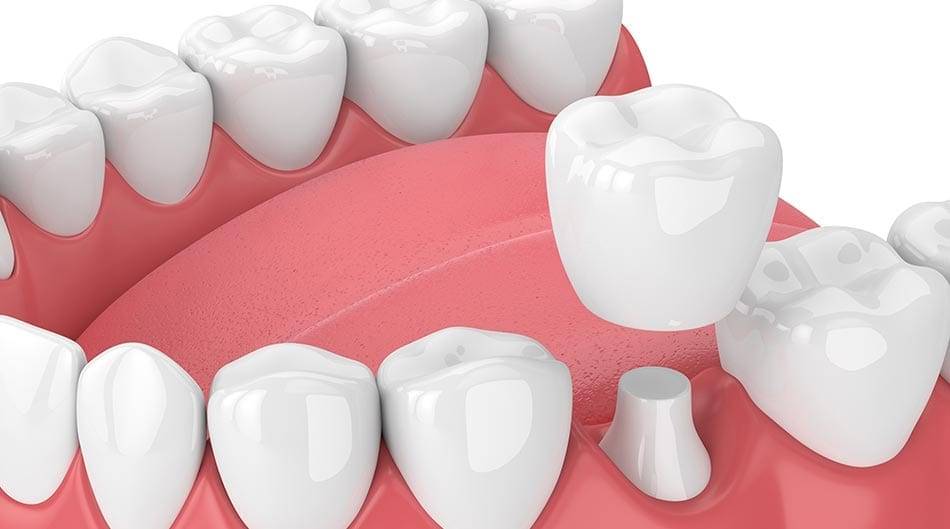
The advancements in dental implant technology have revolutionized the way dental professionals approach tooth replacement. As the need for effective and durable solutions for missing teeth grows, innovations in this field continue to evolve, offering promising futures for both patients and practitioners. With the integration of cutting-edge technology, materials, and techniques, the landscape of dental implants is set to transform dramatically in the coming years.
Emerging Materials in Dental Implants
One of the most significant areas of development in dental implants is the introduction of new materials. Traditionally, titanium has been the go-to choice due to its biocompatibility and strength. However, recent innovations have led to the exploration of alternative materials that promise enhanced performance and aesthetics.
- Zirconia Implants: Known for their durability and natural tooth-like appearance, zirconia implants are gaining popularity as a metal-free alternative. Their aesthetic advantage makes them particularly appealing for patients with metal allergies or those seeking a more natural look.
- Bioceramics: These materials are being studied for their potential to promote bone growth and integration, reducing healing times and improving implant success rates.
Technological Advancements in Implant Procedures
The application of cutting-edge dental implant technologies has significantly enhanced the precision and efficiency of dental implant procedures. The integration of digital tools is paving the way for more predictable and successful outcomes.
3D Imaging and Planning
3D imaging has become an indispensable tool in modern dentistry, allowing for detailed visualization of the patient’s oral structures. This technology facilitates precise implant placement by providing comprehensive planning capabilities, ensuring optimum positioning and alignment.
Additionally, computer-aided design and manufacturing (CAD/CAM) systems enable the creation of highly customized dental prosthetics. This not only enhances the fit and comfort of the implant but also improves the overall aesthetic result.
Guided Implant Surgery
Guided implant surgery utilizes custom-made surgical guides developed from digital scans and models. These guides assist the dental surgeon in achieving exact placement of the implant, minimizing the risk of complications and improving surgical efficiency. This approach also tends to reduce the time required for the procedure, benefiting both patients and clinicians.
Regenerative Techniques in Implantology
Regenerative dentistry is making significant contributions to dental implantology, particularly in the area of bone regeneration. The development of techniques to enhance the body’s natural healing processes is proving vital for patients with insufficient bone density.
- Bone Grafting: Advances in bone grafting materials and techniques are allowing for more predictable and successful outcomes. These include the use of synthetic grafts, growth factors, and biologically active scaffolds.
- Stem Cell Therapy: Research into the application of stem cells for bone regeneration is ongoing, with the potential to revolutionize the way bone loss is addressed in dental implantology.
The Future of Dental Implant Innovations
The future of dental implants is bright, with ongoing research and development promising further advancements. As technology continues to evolve, dental professionals are better equipped to provide solutions that are not only functional and durable but also aesthetically pleasing and minimally invasive.
The exploration of new materials, coupled with technological innovations, is set to redefine patient care standards. The integration of dental implant technologies allows for a more personalized approach, catering to the unique needs of each patient. Moreover, as regenerative techniques advance, the possibilities for restoring natural function and appearance become increasingly attainable.
Overall, the future of dental implant innovations holds exciting potential for improving patient outcomes, with a focus on enhancing quality of life through state-of-the-art dental care solutions. As these technologies continue to develop, the dental industry remains committed to pushing the boundaries of what is possible, ensuring that patients receive the highest standard of care available.