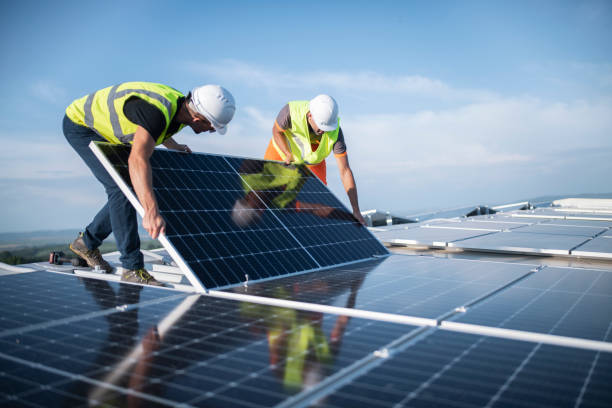
The shift towards renewable energy sources has become a significant focus of global environmental strategies. Among the most promising options, solar power stands out for its ability to harness the abundant energy of the sun. In particular, the installation of commercial solar panels is gaining traction as businesses seek to reduce their carbon footprint and energy costs. This article explores the environmental impact of commercial solar panel installation, offering insights into how this sustainable practice contributes to a greener future.
Reduction in Carbon Emissions
One of the foremost environmental benefits of commercial solar panel installation is the reduction of carbon emissions. Traditional energy sources, such as coal and natural gas, are significant contributors to greenhouse gas emissions. In contrast, solar panels generate electricity without releasing carbon dioxide or other harmful pollutants into the atmosphere.
- Solar energy is a clean and renewable source of power.
- It reduces reliance on fossil fuels, which are finite and environmentally damaging.
- Commercial solar installations significantly cut down on a business’s carbon footprint.
Conservation of Natural Resources
Solar power systems contribute to the conservation of natural resources. Unlike fossil fuel extraction, which often involves destructive mining and drilling practices, solar energy harnesses natural sunlight without depleting the Earth?s resources.
Renewable Energy Source
Solar power is inherently renewable, meaning it can be utilized without fear of depletion. The sun provides an inexhaustible supply of energy, which can be converted into electricity for commercial use. This stands in stark contrast to finite energy resources, which are extracted at great environmental cost.
Minimal Water Usage
Traditional power generation methods typically require substantial amounts of water for cooling and processing. Solar panels, however, operate with minimal water usage, a crucial advantage in areas where water resources are scarce.
Land Use and Ecosystem Preservation
While the installation of commercial solar panels requires space, thoughtful planning and technology advancements have minimized their impact on land use and ecosystems. Solar farms can be constructed on rooftops or areas unsuitable for agriculture, thus preserving valuable land.
- Rooftop installations make use of existing structures, reducing the need for additional land.
- Installations on non-arable land prevent disruption of agricultural activities.
- Efforts are made to design solar projects that preserve local wildlife habitats.
The Role of Technology and Innovation
Technological advancements in solar panel design and installation techniques continue to enhance the environmental benefits of solar energy. Innovations in solar technology have increased the efficiency and lifespan of panels, further reducing their environmental footprint.
Increased Efficiency
Modern solar panels are more efficient than ever, converting a higher percentage of sunlight into usable electricity. This increased efficiency means that fewer panels are required to generate the same amount of power, reducing the physical space needed for installations.
Sustainable Manufacturing Practices
Manufacturers are adopting more sustainable practices, such as using recycled materials and reducing waste in the production of solar panels. These efforts contribute to the overall environmental benefits of solar energy solutions.
Conclusion
The commercial solar panel installation is a pivotal step towards achieving environmental sustainability. By reducing carbon emissions, conserving natural resources, and minimizing ecological disruption, solar panels offer a compelling solution to the ecological challenges of today. As technology continues to advance, the positive impact of solar energy on the environment is expected to grow, solidifying its role as a cornerstone of sustainable development strategies worldwide.