In the pursuit of a sustainable future, the construction industry is increasingly focusing on eco-friendly building practices. A significant area of interest is sustainable insulation solutions, which not only enhance energy efficiency but also reduce the carbon footprint of buildings. As the world shifts towards greener living, the demand for environmentally responsible insulation options is on the rise. This article explores various sustainable insulation solutions, their benefits, and how they contribute to a greener future.
Understanding Sustainable Insulation
Sustainable insulation refers to materials and methods used to insulate buildings that minimize environmental impact. These solutions are designed to conserve energy, improve indoor comfort, and reduce reliance on non-renewable resources. The choice of sustainable insulation materials often considers factors such as:
- Thermal performance
- Recyclability and biodegradability
- Low embodied energy
- Non-toxic and safe for human health
For a comprehensive overview of sustainable insulation, read more about this topic.
Types of Sustainable Insulation Materials
There are several types of sustainable insulation materials available, each with unique properties and benefits:
Cellulose Insulation
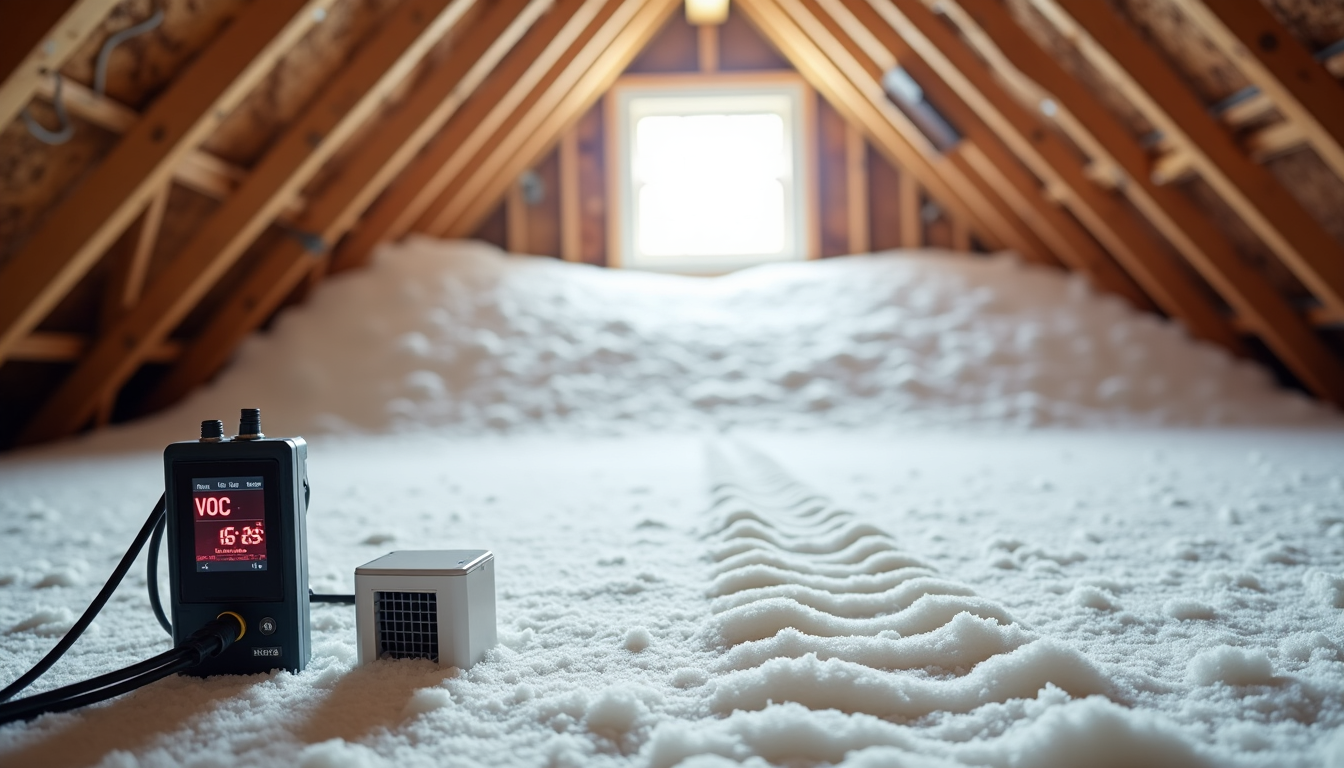
Cellulose insulation is made from recycled paper products, primarily newspaper. It is treated with non-toxic fire retardants and offers excellent thermal performance. Cellulose is a popular choice due to its low embodied energy and high recycled content. Explore further insights here.
Cotton (Denim) Insulation
Cotton insulation, often derived from recycled denim, is another eco-friendly option. It is safe to handle, without requiring protective equipment, and has good sound absorption properties. Cotton insulation is biodegradable and made from renewable resources.
Sheep’s Wool Insulation
Sheep’s wool is a natural and renewable insulation material. It has the ability to absorb and release moisture without compromising its insulating properties. Additionally, sheep’s wool insulation is biodegradable and offers excellent thermal and acoustic insulation. Find additional information here.
Benefits of Sustainable Insulation
Adopting sustainable insulation solutions offers multiple benefits, including:
- Improved energy efficiency: Reducing heat loss in winter and heat gain in summer lowers energy consumption and utility costs.
- Enhanced indoor air quality: Non-toxic materials contribute to a healthier living environment.
- Reduced environmental impact: Using recycled and renewable materials minimizes waste and conserves natural resources.
- Increased property value: Eco-friendly homes are becoming more desirable in the real estate market.
To learn more about the advantages of sustainable insulation, learn more in this detailed guide.
Implementing Sustainable Insulation Solutions
When considering sustainable insulation, it is essential to evaluate the specific needs of the building, including climate, building design, and budget. Consulting with professionals who specialize in eco-friendly building practices can help in selecting the appropriate insulation materials and methods.
Moreover, retrofitting existing buildings with sustainable insulation can significantly enhance their energy efficiency. This approach not only benefits the environment but also provides cost savings over time. Explore further insights here.
Conclusion
Sustainable insulation solutions are integral to creating energy-efficient and environmentally friendly buildings. By choosing the right materials and installation techniques, it is possible to achieve significant energy savings and contribute to a greener future. As awareness grows, the construction industry continues to innovate and improve, offering a range of options to meet the diverse needs of sustainable building practices.