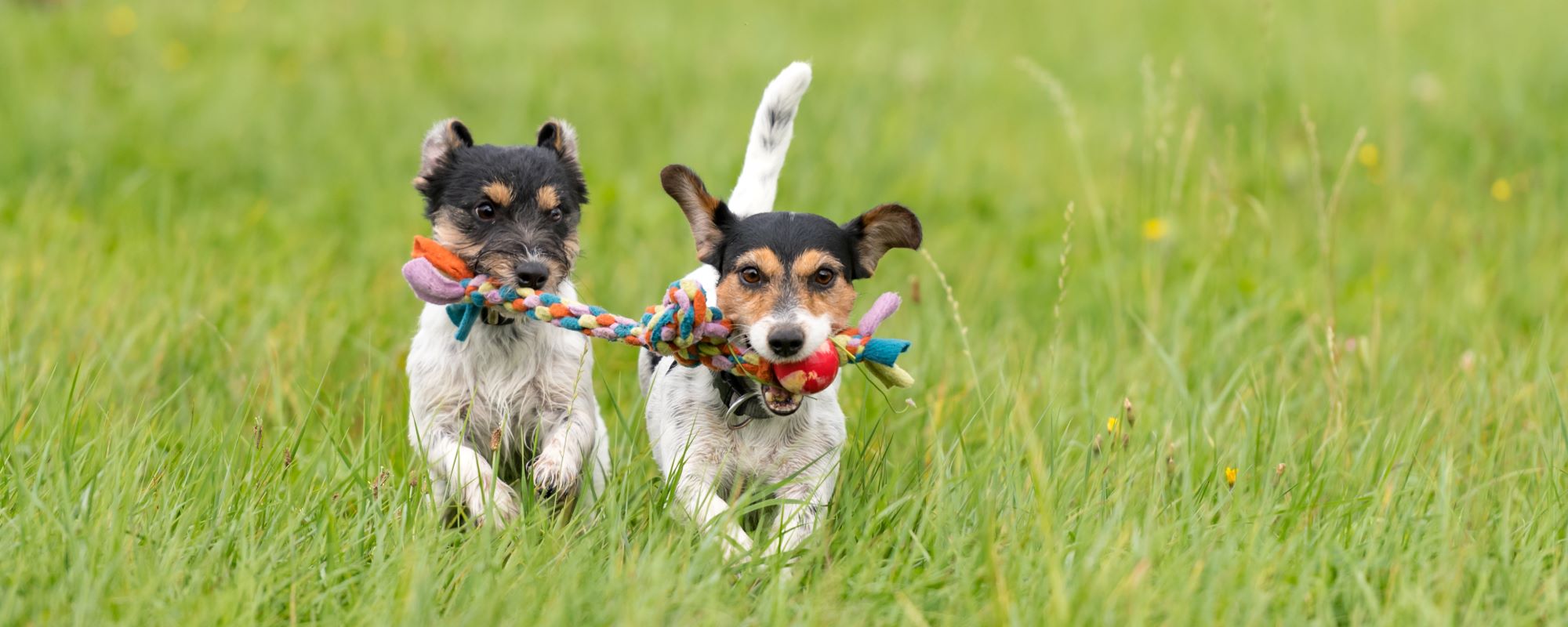
In the bustling world of pet care, finding the right social environment for small dogs can be challenging yet rewarding. Small dog play groups offer a unique solution, providing a safe and structured setting for dogs to interact, play, and develop essential social skills. These gatherings foster not only the physical well-being of the dogs but also their emotional health, contributing to overall happiness and better behavior at home.
Benefits of Small Dog Play Groups
For small dogs, play groups offer several advantages that contribute to their holistic development. Here are some of the key benefits:
- Socialization: Dogs learn how to interact with other canines, which is crucial for their behavioral development.
- Exercise: Engaging activities help maintain a healthy weight and improve cardiovascular health.
- Behavioral Improvement: Regular playtime can reduce common issues such as barking, chewing, and anxiety.
- Safety: These groups provide a controlled environment where small dogs can play without the risk of injury from larger dogs.
Choosing the Right Play Group
Selecting the appropriate small dog play group for your pet is crucial for maximizing the benefits. Consider the following factors:
- Size of the Group: Smaller groups ensure more personalized attention and less stress for dogs.
- Trained Staff: Ensure that the group is supervised by professionals who understand dog behavior and safety protocols.
- Facilities: Look for clean, well-maintained, and safe environments with plenty of space for dogs to roam and play.
- Flexibility: Some groups offer flexible scheduling to accommodate busy pet owners.
To get a sense of what to expect, see what others are saying about us through customer reviews.
Activities and Social Structures
Structured Play and Learning
Within a small dog play group, activities are designed to stimulate both the mind and body of the dogs:
- Interactive Games: Games like fetch, tug-of-war, and obstacle courses enhance physical fitness and coordination.
- Training Sessions: Incorporating basic obedience commands into playtime promotes discipline and mental stimulation.
- Free Play: Allowing dogs to interact freely under supervision encourages natural social behavior and bonding.
Peer Groups and Social Circles
Grouping dogs by personality and play style helps ensure compatibility and prevents conflicts. This approach allows for:
- Personalized Interaction: Dogs are paired with others of similar temperament, making play sessions enjoyable and stress-free.
- Enhanced Learning: Dogs observe and learn from peers, which can accelerate social skill development.
Conclusion
Small dog play groups are an invaluable resource for pet owners looking to enhance their dogs’ social and physical well-being. By providing a safe, structured, and stimulating environment, these groups ensure that each dog can enjoy their time and develop crucial life skills. For those interested in exploring this option, consider visiting a small dog play group and see firsthand the positive impacts it can have. Check out customer reviews here to learn more about experiences shared by other pet owners.