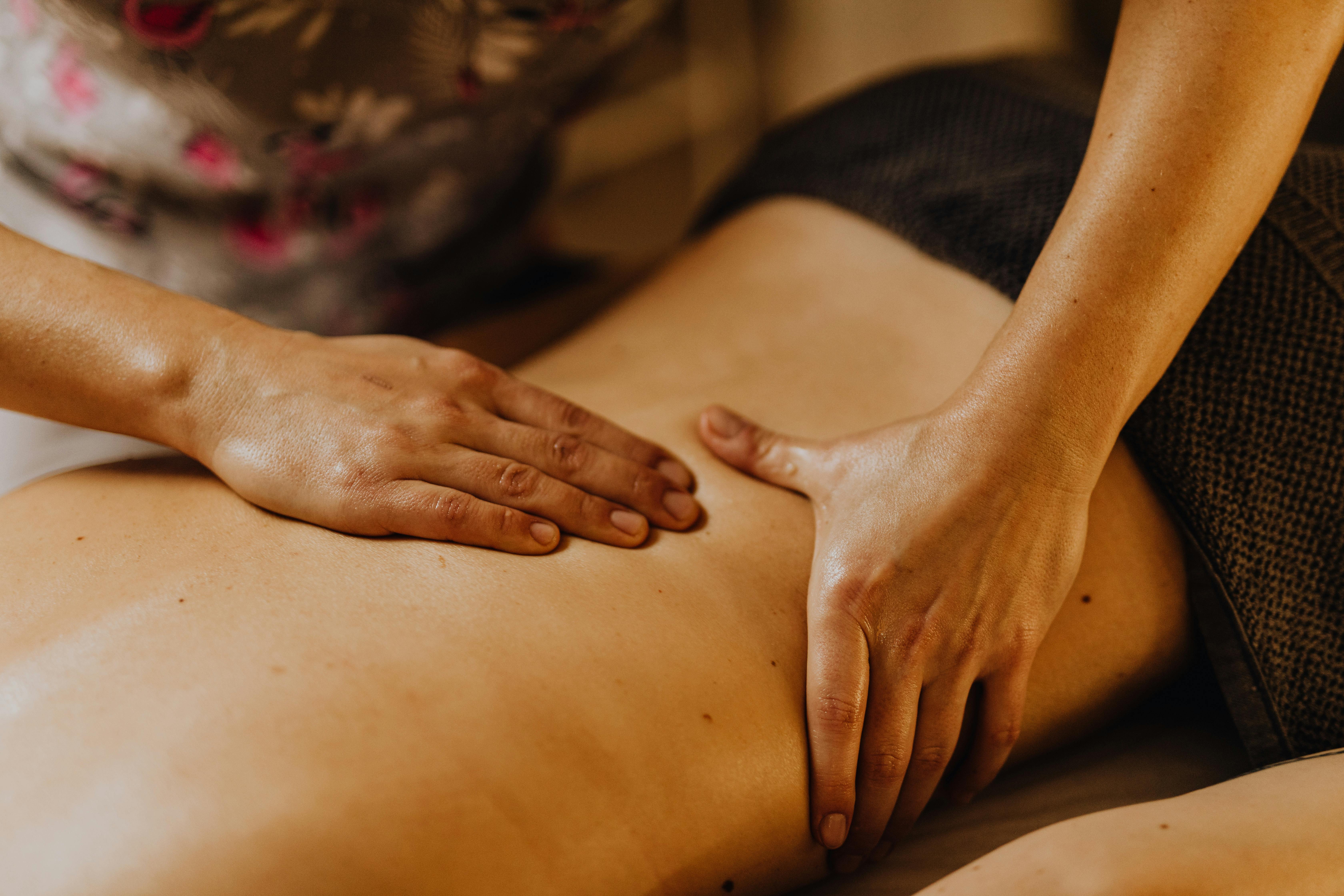
The temporomandibular joint, commonly known as TMJ, plays a vital role in our daily activities, from chewing to speaking. However, when this joint is not functioning properly, it can lead to discomfort and pain, commonly referred to as TMJ disorder. Massage therapy has emerged as a prominent and effective treatment for alleviating TMJ-related pain. With the right techniques, individuals can experience significant relief from their symptoms, leading to an improved quality of life.
Understanding TMJ Disorder
TMJ disorder can result from various factors, including:
- Stress-induced muscle tension
- Arthritis affecting the joint
- Jaw injury
- Teeth grinding (bruxism)
Symptoms often include pain around the jaw, ears, and neck, difficulty in opening the mouth, and a clicking or popping sound when moving the jaw. Recognizing these symptoms early can pave the way for effective treatment, such as specialized massage therapy. Find out more about this approach.
The Role of Massage Therapy in TMJ Treatment
Massage therapy targets the muscles around the jaw and neck, reducing tension and promoting relaxation. This non-invasive treatment has been recognized for its ability to provide significant relief from TMJ symptoms. Key benefits of massage therapy include:
- Reduction in muscle tension and pain
- Improved joint mobility
- Decreased stress and anxiety levels
- Enhanced blood circulation to the affected areas
Massage therapy techniques are customized to address the specific needs of individuals suffering from TMJ disorder. Discover expert strategies here.
Effective Massage Techniques for TMJ Relief
Myofascial Release
This technique focuses on releasing tension in the fascia, the connective tissue surrounding muscles. By gently applying pressure to the jaw and surrounding areas, myofascial release helps in easing pain and restoring movement.
Trigger Point Therapy
Trigger points, often referred to as “knots,” can cause pain and discomfort when activated. This therapy involves applying pressure to these points to alleviate pain and reduce muscle tightness. Explore advanced guides and tips.
Deep Tissue Massage
By targeting deeper muscle layers, deep tissue massage addresses chronic muscle tension and stiffness. This technique is highly effective in relieving severe TMJ pain and promoting long-term healing.
Complementary Practices for TMJ Management
In addition to massage therapy, incorporating certain lifestyle changes and practices can further alleviate TMJ symptoms:
- Practicing stress-reduction techniques such as yoga and meditation
- Using heat or cold packs to manage pain and swelling
- Adopting a diet that minimizes jaw strain by avoiding hard or chewy foods
- Performing jaw exercises recommended by a healthcare professional
For comprehensive guidance and tailored solutions, consider consulting with professionals who specialize in TMJ massage. Learn about our tailored solutions.
Conclusion
TMJ disorder can significantly impact one’s daily life, but with expert massage therapy, relief is within reach. By understanding the condition and exploring effective treatment options, individuals can take proactive steps towards managing their symptoms. For those seeking to explore this path further, professional consultation and treatment can provide the necessary support and expertise. Find out more about this approach.