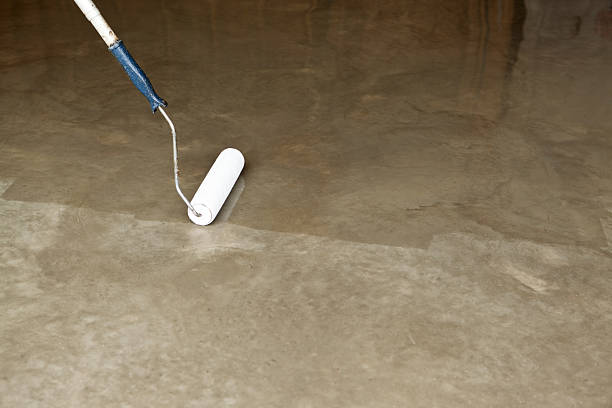
In a world where surfaces endure constant wear and tear, maintaining their integrity and appearance becomes crucial. Surface sealers emerge as a pivotal solution, offering protection and longevity to various materials. Whether dealing with concrete, stone, or wood, sealers enhance durability, resist stains, and maintain aesthetic appeal. This article delves into the importance of using high-quality surface sealers, the types available, and expert recommendations for ensuring optimal surface protection.
Understanding Surface Sealers
Surface sealers are materials applied to surfaces to provide a protective layer. This layer guards against damage caused by moisture, chemicals, or physical abrasion. The choice of sealer depends on the surface type and the level of protection required.
Types of Surface Sealers
- Penetrating Sealers: These sealers seep into the substrate, providing protection from within. Ideal for porous surfaces like natural stone and concrete.
- Topical Sealers: These create a protective film on the surface, enhancing appearance while providing a barrier against stains and wear. Suitable for both interior and exterior floors.
- Combination Sealers: These offer the benefits of both penetrating and topical sealers, making them versatile and effective for a variety of surfaces.
Benefits of Using High-Quality Surface Sealers
Opting for premium surface sealers can significantly enhance the lifespan and appearance of surfaces. Key benefits include:
- Durability: High-quality sealers provide long-lasting protection, reducing the need for frequent maintenance.
- Enhanced Aesthetic Appeal: They maintain or even enhance the natural beauty of surfaces, keeping them looking new for longer.
- Stain Resistance: Premium sealers offer superior resistance to stains from oil, water, and other substances.
- Environmental Protection: They help surfaces withstand harsh environmental conditions, including UV exposure and temperature fluctuations.
For those looking to protect their surfaces effectively, it’s crucial to select the right sealer. Discover expert strategies here.
Application Techniques for Optimal Results
Proper application of surface sealers is essential to maximize their protective benefits. Here are some key techniques:
- Surface Preparation: Clean the surface thoroughly to remove dust, grease, and other contaminants. This ensures proper adhesion of the sealer.
- Correct Tools: Use the appropriate tools, such as brushes, rollers, or sprayers, depending on the sealer type and surface.
- Even Application: Apply the sealer evenly to avoid spots or streaks. Multiple coats may be necessary for optimal protection.
For detailed application guides and tips, explore advanced guides and tips.
Choosing the Right Surface Sealer
Selecting the appropriate sealer involves assessing the surface type, usage conditions, and desired level of protection. Consider the following factors:
- Surface Material: Different materials require different types of sealers. For instance, wood may need a different product than stone.
- Environmental Conditions: Consider whether the surface is indoors or outdoors, as environmental exposure can affect the sealer’s performance.
- Desired Finish: Decide if a glossy, matte, or natural finish is preferred, as this will influence the choice of sealer.
To discover tailored solutions for your specific needs, learn about our tailored solutions.
Conclusion
Protecting surfaces with top-quality sealers is a wise investment that ensures longevity and sustained aesthetic appeal. By understanding the types, benefits, and application techniques of sealers, one can make informed decisions that lead to optimal surface protection. For more insights into effective sealing approaches, find out more about this approach.