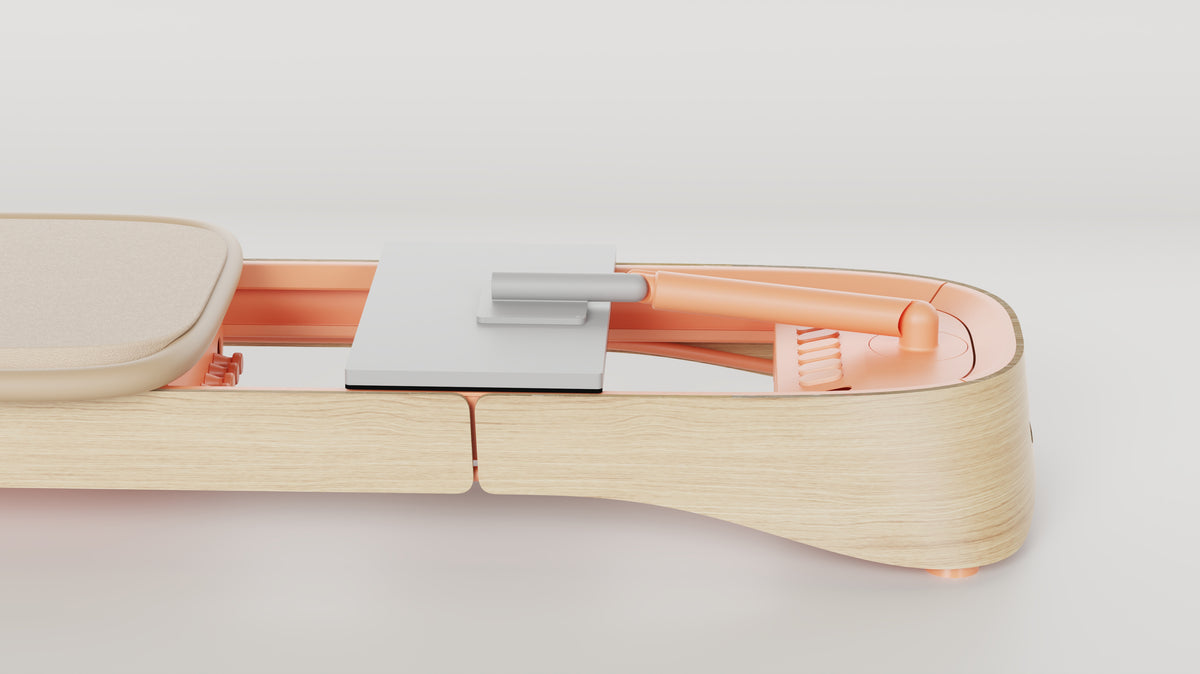
Creating a functional Pilates studio at home has become increasingly attainable, thanks to advances in equipment design and the rise of compact, high-quality reformers. A well-chosen reformer not only replicates the studio experience but also supports consistent practice, injury prevention, and progressive training. Selecting the right machine involves evaluating space, budget, feature set, and long-term goals, ensuring that the investment enhances both technique and enjoyment.
Assessing Your Space and Layout
Before any purchase, measure the intended area to guarantee a comfortable fit. Most reformers require a minimum of 10-12 feet in length and 6-7 feet in width, plus clearance for movement.
- Room dimensions: Verify ceiling height (at least 8″?ft) for vertical movements.
- Flooring: Use a non-slip mat or rubber flooring to protect both equipment and floor.
- Accessibility: Ensure there is a clear path for entry and exit, especially if the reformer will be moved for cleaning.
Key Features to Prioritize
Adjustability and Resistance Options
Modern reformers offer a range of resistance mechanisms, springs, bands, or magnetic plates. Choose a system that allows fine-tuned adjustments to match beginner, intermediate, and advanced routines.
- Spring-based models are classic and reliable.
- Magnetic or hydraulic resistance provides smoother, quieter operation.
- Hybrid systems combine both for maximum versatility.
Footbar and Carriage Design
A sturdy footbar and a smoothly gliding carriage are essential for safe execution of exercises such as footwork, long stretch, and jumpboard variations.
- Look for reinforced steel frames.
- Carriage rollers should be sealed to prevent dust buildup.
- Adjustable footbars accommodate different leg lengths and exercise angles.
Integrated Technology
For those who enjoy guided sessions, a reformer with a built-in screen can be a game-changer. Models that feature a reformer pilates machine with screen allow streaming of classes directly on the equipment, eliminating the need for a separate tablet.
Choosing the Right Brand and Model
When evaluating options, consider reputable manufacturers that combine durability with thoughtful design. A well-engineered unit will retain its performance for years, even with daily use.
- The Frame reformer is praised for its sleek aesthetic and robust construction.
- Models labeled as wooden pilates reformer add an elegant touch while maintaining structural integrity.
- For a compact footprint, the best at home pilates reformer often includes fold-away features.
Budget Considerations
Pricing varies widely based on materials, resistance type, and added technology. Establish a realistic budget and compare the cost of pilates reformer against long-term value.
- Entry level: Basic spring systems typically start around $1,500.
- Mid-range: Hybrid resistance and optional screen upgrades fall between $2,000-$3,000.
- Premium: Full-featured units with premium finishes and integrated displays can exceed $4,000.
When budgeting, also factor in delivery, assembly, and optional accessories such as a jumpboard or additional straps.
Safety and Warranty
Safety mechanisms, like anti-slip footplates, lockable carriage stops, and weight limits, should be clearly stated. A solid warranty (often 2-5 years) reflects confidence in build quality.
Making the Purchase
After narrowing down options, it’s wise to read user reviews and, if possible, test the equipment in a showroom. Once satisfied, the next step is to buy pilates reformer machine or explore alternatives such as home pilates reformer that match your criteria.
Setting Up Your Home Studio
Proper installation ensures both safety and optimal performance.
- Assemble the frame according to the manufacturer’s instructions; most units require minimal tools.
- Level the machine using a spirit level; uneven placement can cause wear on the carriage rollers.
- Connect any electronic components, test the screen, and calibrate resistance settings.
- Organize accessories, strap holders, mat, and jumpboard, within easy reach.
Maintaining Your Reformer
Regular upkeep prolongs the lifespan of the equipment.
- Wipe down the carriage and footbar after each session to remove sweat and oils.
- Lubricate moving parts quarterly, using only manufacturer-approved lubricants.
- Inspect springs or magnetic plates for signs of fatigue and replace as needed.
Conclusion
Choosing the right reformer for a home setup is a balance of space, functionality, budget, and brand reliability. By carefully assessing the environment, prioritizing essential features, and selecting a reputable model, whether it’s a pilates reformer home solution or a high-tech reformer pilates with screen, you can create a dedicated practice area that supports consistent growth and enjoyment. With thoughtful setup and ongoing maintenance, the investment will deliver studio-level performance for years to come.