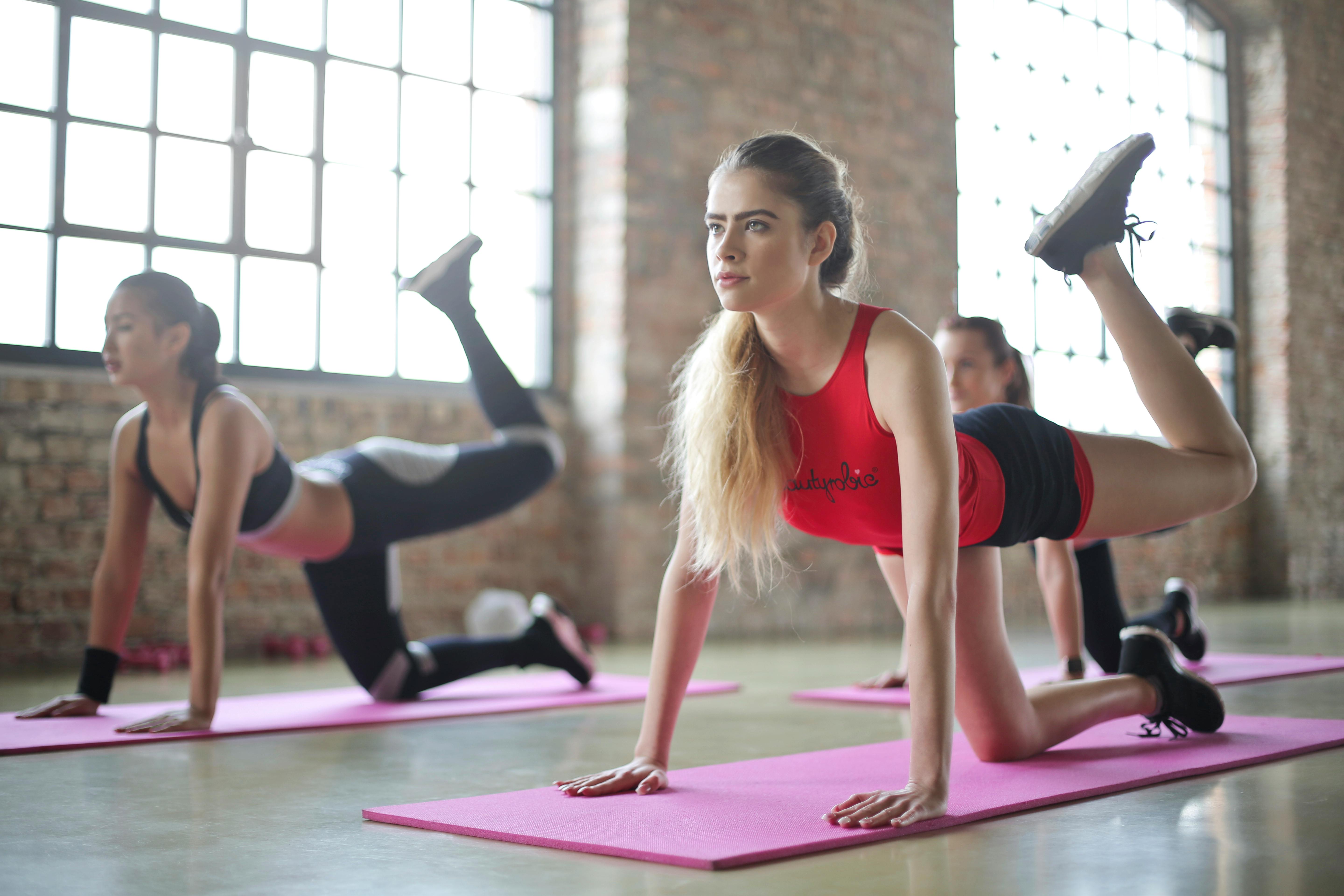
Pilates, a form of low-impact exercise, is renowned for its ability to enhance flexibility, build strength, and improve posture. While group Pilates classes are popular, personalized Pilates programs offer a tailored approach, ensuring that individuals achieve optimal results. By customizing exercises to fit personal goals, needs, and physical conditions, personalized Pilates can be a game-changer for many fitness enthusiasts. This article explores the benefits of personalized Pilates programs and how they can be designed to suit individual requirements, facilitating a more effective and enjoyable workout experience.
Understanding Personalized Pilates Programs
Personalized Pilates programs involve designing a set of exercises specifically tailored to an individual’s body type, fitness level, and personal fitness goals. Unlike generic classes, these programs focus on the unique requirements of the person, accounting for any physical limitations or preferences.
- Tailored Workouts: Each session is adjusted to meet the specific needs of the individual, ensuring exercises target the right muscle groups.
- Flexibility in Scheduling: Personalized programs offer more flexibility, allowing individuals to schedule sessions that fit into their busy lives.
- Focused Attention: With a personal trainer, one receives focused attention, ensuring correct form and technique, leading to better results.
- Goal-Oriented: Personalized programs help in setting realistic fitness goals and devising strategies to achieve them effectively.
For more insights on how to develop a personalized Pilates program, explore further insights here.
Benefits of Personalized Pilates Programs
Enhanced Motivation and Accountability
Having a personalized Pilates program can significantly boost motivation. Knowing that each session is designed to help achieve specific goals encourages individuals to stay committed. Additionally, working closely with an instructor ensures accountability, which is crucial for maintaining consistency in exercise routines.
Prevention of Injuries
One of the key advantages of a personalized Pilates program is its ability to prevent injuries. By focusing on proper form and technique, these programs minimize the risk of strain and injury, particularly for those recovering from previous injuries or with chronic conditions. Learn more in this detailed guide on injury prevention through personalized Pilates.
Improvement in Physical and Mental Well-being
Personalized Pilates not only strengthens the body but also enhances mental well-being. The focus on breathing and mindfulness helps in reducing stress and improving concentration. Regular participation in personalized sessions can lead to better mental clarity and emotional balance.
Designing a Personalized Pilates Program
Creating an effective personalized Pilates program involves several key steps:
- Initial Assessment: Begin with a comprehensive assessment to understand the individual’s physical condition, fitness level, and personal goals.
- Program Development: Based on the assessment, develop a program that includes a variety of exercises targeting different muscle groups.
- Progress Tracking: Regularly track progress and adjust the program as needed to ensure continued improvement and challenge.
- Feedback and Adaptation: Continuously seek feedback from the individual to adapt the program for maximum effectiveness and enjoyment.
For a more comprehensive understanding of how to design such programs, read more about this topic.
Conclusion
Personalized Pilates programs are an excellent way to achieve optimal fitness results, providing a tailored approach that addresses individual needs and goals. By focusing on specific requirements and allowing for flexibility and personalization, these programs offer a more effective and enjoyable path to overall well-being. Whether you’re a beginner or a seasoned practitioner, a personalized Pilates program can be a valuable addition to your fitness routine. Find additional information here to start your journey towards a healthier, more balanced life.