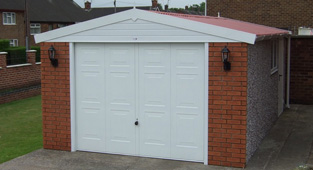
The thought of removing a concrete garage may seem daunting, but the process is essential for many homeowners seeking to maximize their property’s potential. Whether you’re looking to create additional space, improve the aesthetic appeal of your property, or replace an aging structure, understanding the concrete garage removal process is key. This article will explore the steps involved in removing a concrete garage, provide insights into planning and preparation, discuss necessary safety measures, and highlight considerations for the aftermath of removal.
Planning and Preparation
Successful concrete garage removal starts with thorough planning and preparation. Here are some critical steps to consider:
- Assessing the Structure: Begin by evaluating the condition of the garage. Determine if the removal requires complete demolition or if certain parts can be salvaged.
- Obtaining Necessary Permits: Depending on local regulations, permits may be required for demolition work. Ensure all necessary documentation is in place before starting the project.
- Budgeting: Evaluate the costs associated with the removal process, including labor, equipment, and disposal fees. This will help in setting a realistic budget.
- Hiring Professionals: Although some may consider DIY methods, hiring experienced professionals can ensure safe and efficient removal. Learn more in this detailed guide about professional roofing services.
Safety Measures
Safety is paramount when undertaking a concrete garage removal. Consider these safety measures:
- Personal Protective Equipment (PPE): Ensure all workers wear appropriate PPE, including helmets, gloves, and eye protection.
- Securing the Area: Establish a clear perimeter around the work site to prevent unauthorized access and potential hazards.
- Handling Asbestos: Older garages may contain asbestos materials. Identify and manage these materials safely, following local regulations. Read more about this topic regarding safe handling of hazardous materials.
- Proper Equipment Usage: Use tools and machinery correctly to avoid accidents. Training and supervision are critical components of a safe demolition process.
Concrete Garage Removal Process
The removal process can be broken down into several key phases:
1. Site Preparation
Before any demolition begins, prepare the site by removing any personal belongings and disconnecting utilities such as electricity and water. This ensures a safe and organized working environment.
2. Demolition
The physical demolition involves breaking down the garage structure using tools such as sledgehammers, jackhammers, or even heavy machinery for larger structures. Careful dismantling is essential to minimize debris and dust.
3. Debris Removal
Post-demolition, clear the site of debris. This involves sorting materials for recycling and ensuring proper disposal. Efficient debris management is crucial for environmental responsibility. Explore further insights here on eco-friendly disposal methods.
Post-Removal Considerations
Once the garage has been removed, several considerations should be addressed:
- Site Assessment: Evaluate the cleared area for potential new construction or landscaping opportunities.
- Foundation Inspection: If planning new construction, inspect the foundation for any necessary repairs or reinforcements.
- Future Projects: Consider the long-term plans for the space, such as building a new garage, creating a garden, or expanding the home. Find additional information here for ideas on utilizing the newly available space.
Removing a concrete garage is a substantial undertaking that requires careful planning, adherence to safety protocols, and consideration for both the demolition and post-removal phases. By following the outlined steps and accessing detailed guides and resources, homeowners can navigate this process smoothly and effectively, making room for new opportunities and improvements on their property.