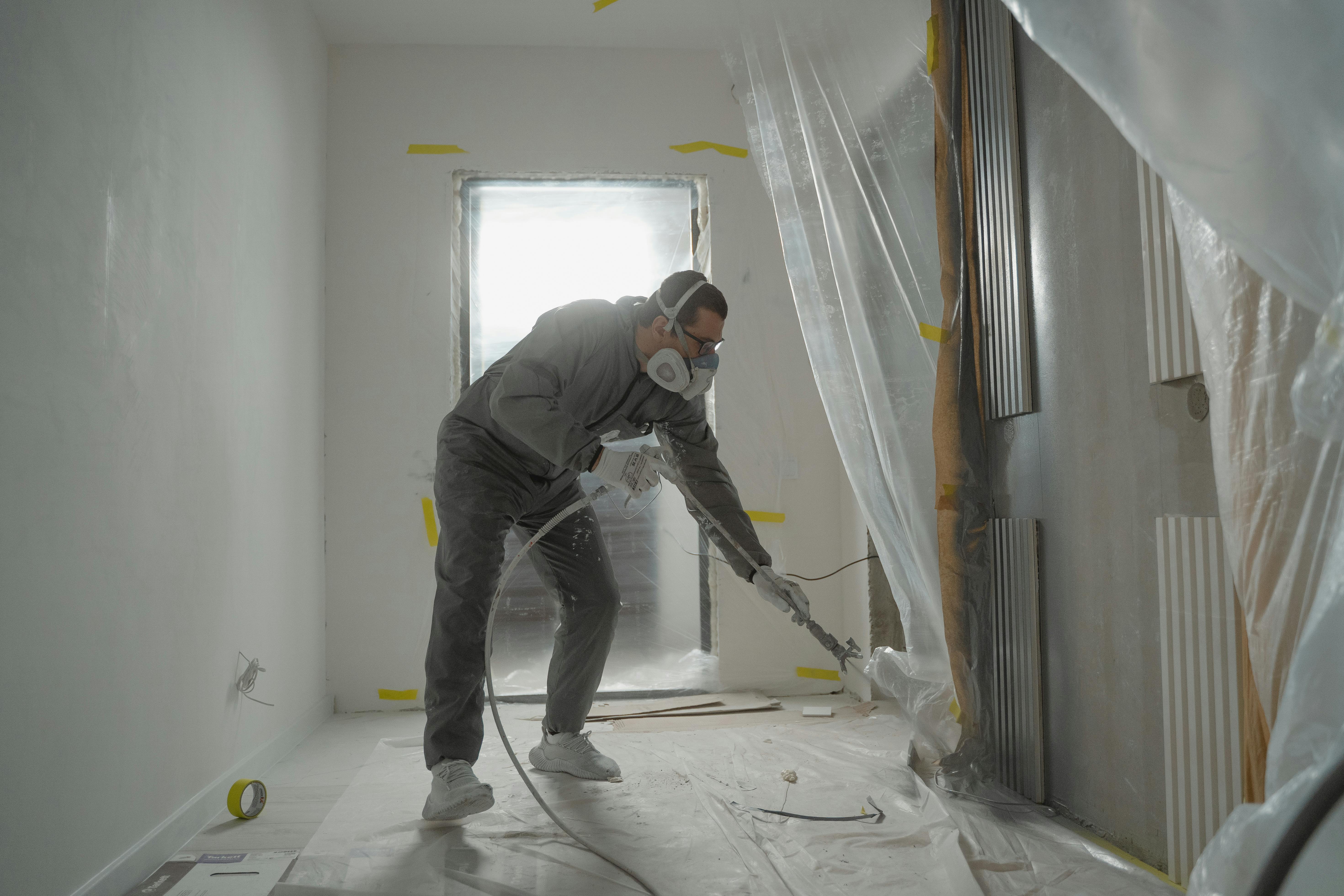
Lead exposure poses significant health risks, especially to children and pregnant women. Therefore, conducting a lead hazard assessment is crucial for ensuring a safe environment. This process involves identifying, evaluating, and controlling sources of lead exposure in homes, schools, and workplaces. The following guide outlines the key steps to effectively conduct a lead hazard assessment, highlighting important considerations and methods to ensure comprehensive evaluation and mitigation of lead risks.
Understanding Lead Hazards
Lead can be found in several areas and materials, especially in buildings constructed before 1978. Common sources include:
- Lead-based paint on walls, windows, and doors.
- Contaminated soil around the property.
- Dust from deteriorating lead-based paints.
- Older plumbing materials and fixtures.
Understanding these sources is essential for setting the groundwork for an effective assessment. Explore further insights here to deepen your understanding of potential lead hazards.
Steps to Conduct a Lead Hazard Assessment
1. Initial Inspection
The first step in a lead hazard assessment is conducting a thorough initial inspection of the property. This involves:
- Visually inspecting for peeling or deteriorating paint.
- Checking for areas prone to wear and tear, such as windowsills and door frames.
- Reviewing property records to identify potential lead-based materials used during construction.
For a detailed checklist to aid in your inspection, learn more in this detailed guide.
2. Testing for Lead
Testing is a critical component of a lead hazard assessment. Methods include:
- Surface Sampling: Collecting samples of paint, dust, and soil to analyze for lead content.
- Laboratory Analysis: Sending samples to certified laboratories for precise measurement of lead concentrations.
- X-Ray Fluorescence (XRF): Using portable devices to detect lead in painted surfaces without damaging them.
Consult a professional to determine the best testing methods for your specific situation. Find additional information here about the testing process and methodologies.
3. Risk Assessment
Once testing is complete, the next step is to conduct a risk assessment. This involves evaluating the likelihood of lead exposure and its potential impact on occupants:
- Identifying high-risk areas based on test results.
- Assessing the condition of lead-containing materials.
- Considering the age and health of current occupants, especially children and pregnant women.
Read more about this topic to understand how to effectively assess risk and develop an action plan.
4. Implementing Control Measures
Based on the findings of the risk assessment, implement control measures to mitigate lead exposure. These may include:
- Enclosing or encapsulating lead-based paints.
- Replacing old fixtures and materials with lead-free alternatives.
- Regular cleaning practices to minimize lead dust.
- Educating occupants on lead safety practices.
For a comprehensive approach to implementing these measures, learn more in this detailed guide.
Conclusion
A thorough lead hazard assessment is vital for safeguarding health in environments where lead exposure is possible. By understanding potential hazards, conducting systematic inspections and testing, and implementing effective risk management strategies, property owners and managers can significantly reduce lead-related health risks. For further insights and professional guidance, explore further insights here.