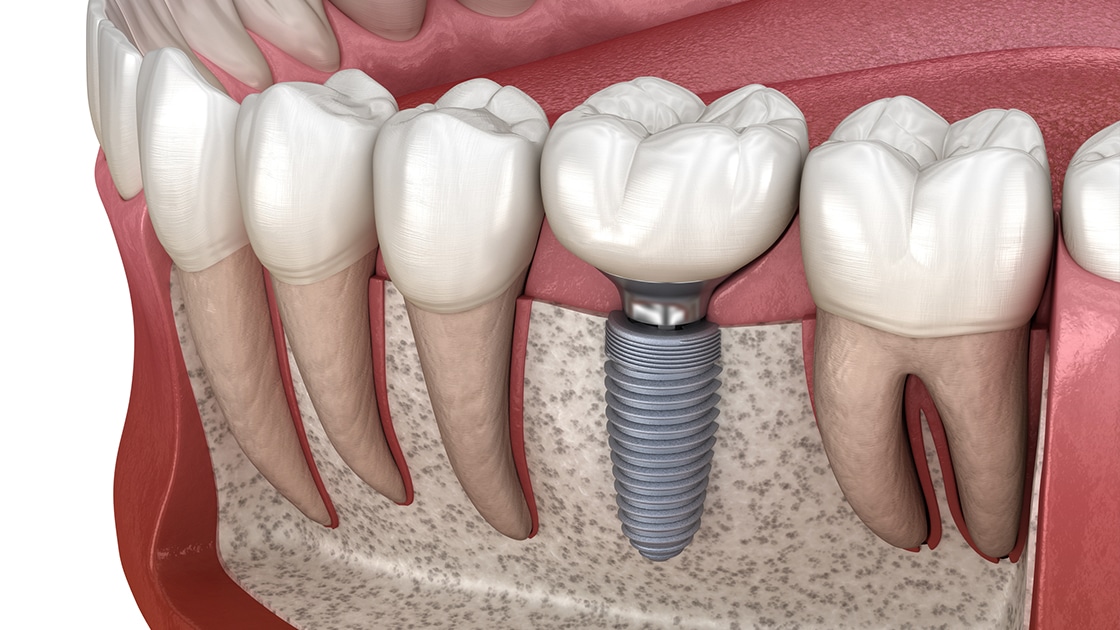
Dental bridges have long been a staple in restorative dentistry, offering a practical solution for individuals with missing teeth. They not only enhance aesthetics but also play a critical role in maintaining oral health. When a tooth is lost, it can lead to several issues such as misalignment, bite problems, and increased risk of gum disease. Dental bridges provide a reliable method to restore functionality and prevent these complications. Understanding the types of dental bridges available and their benefits can significantly improve one’s oral health management.
Understanding Dental Bridges
Dental bridges are prosthetic devices used to fill the gap left by one or more missing teeth. They consist of crowns placed on either side of the gap and a false tooth or teeth in between. These are supported by natural teeth or implants, providing a seamless integration into the mouth’s structure.
Types of Dental Bridges
There are several types of dental bridges, each suited to different needs:
- Traditional Bridges: The most common type, featuring one or more pontics held in place by dental crowns on adjacent teeth.
- Implant-Supported Bridges: Recently gaining popularity, these bridges are anchored by dental implants instead of crowns, offering enhanced stability.
- Cantilever Bridges: Used when adjacent teeth are present on only one side of the missing tooth or teeth.
- Maryland Bridges: Use a framework bonded to the back of adjacent teeth, requiring less preparation than traditional bridges.
Each type of bridge has its specific applications and benefits. It?s essential to consult with a dental professional to determine the most suitable option. Discover expert strategies here.
Benefits of Dental Bridges
Dental bridges offer numerous advantages that contribute to improved oral health. These benefits include:
- Restored Functionality: Bridges enable individuals to chew and speak properly, restoring full functionality to the mouth.
- Preventing Teeth Movement: Filling the gap left by missing teeth prevents other teeth from shifting, which can cause misalignment and bite issues.
- Maintaining Facial Shape: Missing teeth can lead to the deterioration of bone structure, affecting facial appearance. Dental bridges help maintain the natural shape of the face.
- Improved Oral Health: Proper fitting bridges can reduce the risk of gum disease and decay by filling gaps that can harbor bacteria.
- Aesthetic Enhancement: Bridges offer a natural-looking solution that improves the smile and boosts confidence.
For more detailed information on how dental bridges improve oral health, learn about our tailored solutions.
Maintaining Dental Bridges
Proper care and maintenance are crucial to the longevity and effectiveness of dental bridges. Here are some key practices:
- Regular Brushing and Flossing: Maintain good oral hygiene to prevent plaque buildup. Special flossing tools may be required to clean around the bridge.
- Routine Dental Checkups: Regular visits to the dentist are essential to monitor the condition of the bridge and surrounding teeth.
- Balanced Diet: A diet rich in vitamins and minerals supports oral health and the integrity of dental bridges.
- Avoid Hard and Sticky Foods: These can damage the bridge or cause it to become dislodged.
For more tips on maintaining dental bridges, explore advanced guides and tips.
Conclusion
Dental bridges are a vital component of restorative dentistry, offering both functional and aesthetic benefits. By filling the gap left by missing teeth, they prevent further oral health complications and enhance quality of life. For those considering a dental bridge, consulting with a professional is crucial to determine the best type and ensure proper fitting. Find out more about this approach to enhance oral health and achieve a confident smile.