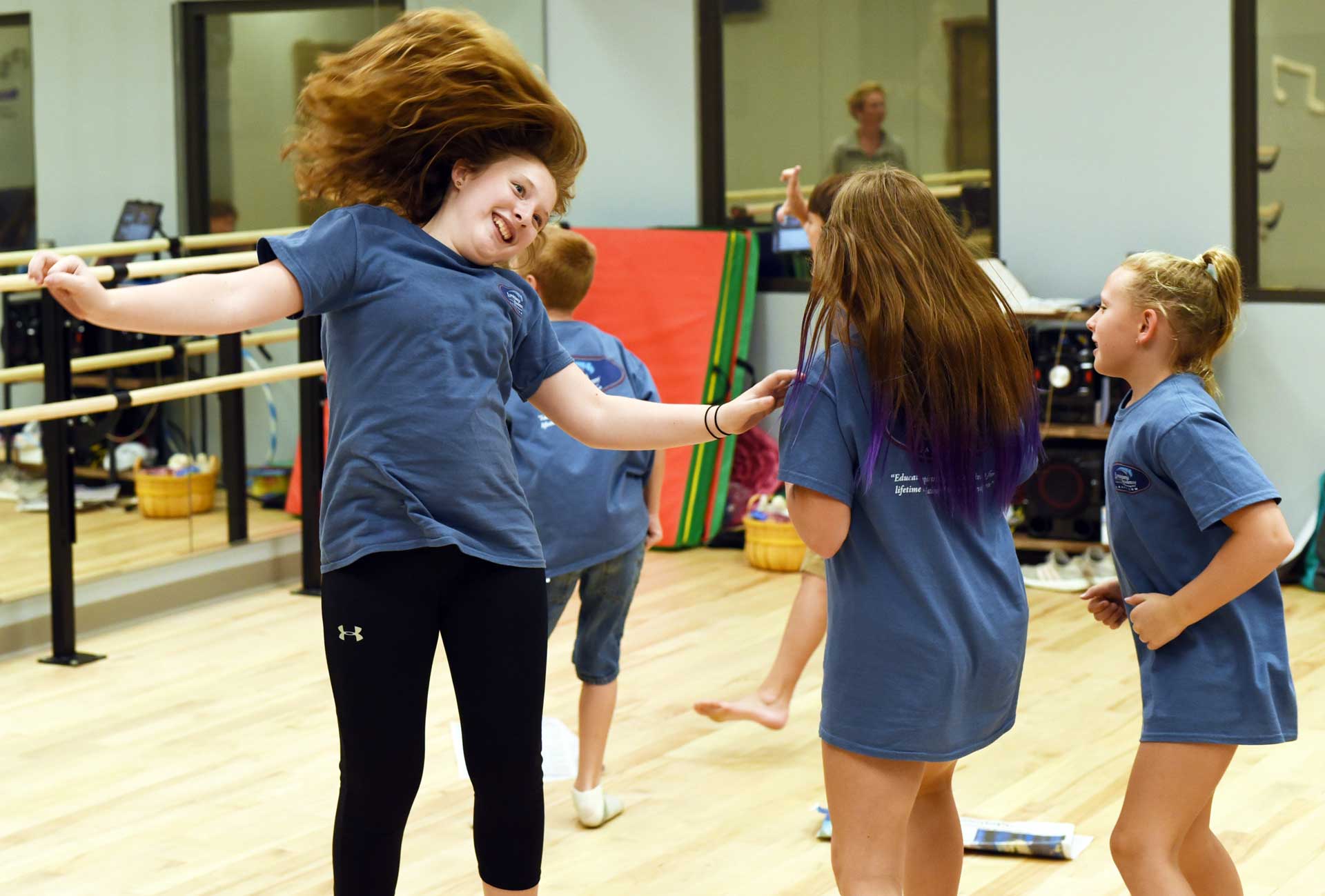
Children are naturally curious and thrive in environments where they can explore and interact with the world around them. Outdoor camps provide a unique opportunity for preschoolers to engage in active learning, develop essential skills, and form a deeper connection with nature. These camps are more than just a chance to play outside; they are carefully designed experiences that promote growth and development in young children. By offering a balanced mix of structured activities and free exploration, outdoor camps support various aspects of a child’s development.
Developmental Benefits of Outdoor Camps
Outdoor camps provide a myriad of developmental benefits for preschoolers. These benefits are crucial in the formative years and can have a lasting impact as children grow.
Find out more about this approach.
Physical Development
- Enhances motor skills through activities like climbing, running, and jumping.
- Improves overall physical fitness and promotes a healthy lifestyle.
- Encourages children to develop coordination and balance.
Cognitive Development
- Stimulates creativity and imagination through unstructured play.
- Encourages problem-solving skills and critical thinking.
- Provides opportunities for experiential learning and discovery.
Social and Emotional Growth
- Fosters teamwork and cooperation in group activities.
- Builds self-confidence and independence.
- Allows children to develop empathy and understanding of others.
Environmental Awareness and Appreciation
One of the standout features of outdoor camps is their ability to cultivate a sense of environmental stewardship in young children. Engaging with nature helps preschoolers appreciate the beauty and complexity of the natural world. This awareness encourages a lifelong respect for the environment and promotes sustainable practices.
Discover expert strategies here.
Structured and Unstructured Learning
Outdoor camps strike a balance between structured learning and unstructured play. This blend allows children to benefit from guided activities while also exploring their interests independently. Structured activities often include:
- Nature walks that teach about local flora and fauna.
- Crafts that utilize natural materials.
- Storytelling sessions that connect narratives to the natural world.
Unstructured play, on the other hand, empowers children to use their imagination, take risks, and learn from their experiences. Explore advanced guides and tips for more insights into the benefits of these activities.
Choosing the Right Camp
Selecting the right outdoor camp for preschoolers involves considering various factors to ensure a positive experience. Important aspects to consider include:
- The camp’s philosophy and approach to early childhood development.
- The qualifications and experience of the staff.
- The range of activities offered and their alignment with developmental goals.
Parents looking to provide their children with a meaningful outdoor experience should research camps thoroughly to find the best fit. Learn about our tailored solutions to find a camp that aligns with your child?s needs.
In conclusion, outdoor camps offer a wealth of benefits for preschoolers, supporting their physical, cognitive, social, and environmental development. By providing a space for exploration and learning, these camps help nurture a child’s growth and instill a lifelong appreciation for the natural world.