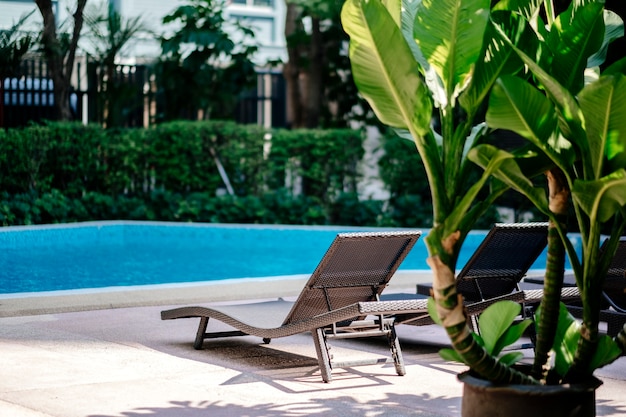
Swimming pools are a valuable addition to any property, offering a perfect retreat for relaxation and recreation. Over time, however, they can exhibit signs of wear and tear, such as cracks, discoloration, and surface roughness. A professional pool resurfacing service can rejuvenate your pool, enhancing its aesthetic appeal and ensuring it remains a safe and inviting space. By investing in expert resurfacing services, pool owners can not only improve the longevity of their pool but also elevate their outdoor living experience.
Understanding Pool Resurfacing
Pool resurfacing is a critical maintenance task that involves removing the old surface layer of the pool and applying a new one. This process is essential for maintaining the structural integrity and appearance of the pool. Here are some key benefits of professional pool resurfacing:
- Improves the pool’s aesthetic appeal by removing stains and restoring surface smoothness.
- Enhances safety by eliminating rough surfaces that can cause injuries.
- Increases durability, reducing the need for frequent repairs.
- Boosts property value by maintaining an attractive and functional pool.
When to Consider Resurfacing
Knowing when to resurface a pool can save time and money in the long run. If any of the following signs are evident, it may be time to consider a resurfacing project:
- Visible cracks or chips in the pool surface.
- Persistent leaks that are difficult to fix.
- Fading or discoloration of the pool’s finish.
- Rough textures that can cause discomfort.
For more detailed guidance on recognizing these signs, discover expert strategies here.
Choosing the Right Resurfacing Material
Selecting the appropriate material for pool resurfacing is crucial for ensuring longevity and aesthetic appeal. Some popular options include:
- Plaster: A traditional choice offering a smooth and cost-effective finish.
- Pebble: Known for its durability and unique textured appearance.
- Quartz: A blend of plaster and quartz aggregate, providing a colorful and resilient surface.
- Tile: Offers a luxurious and customizable look, although it can be more expensive.
To learn about tailored solutions for different pool types, learn about our tailored solutions.
The Resurfacing Process
Understanding the steps involved in pool resurfacing can help set realistic expectations for the project timeline and outcomes. The basic process includes:
- Draining the Pool: Ensuring the pool is empty for safe and effective resurfacing.
- Preparing the Surface: Removing the old surface through chipping or sandblasting.
- Applying the New Surface: Spreading the chosen material evenly across the pool.
- Curing: Allowing the new surface to set and harden properly.
- Refilling: Filling the pool with water and balancing the chemicals for safe use.
For a comprehensive guide to each step, explore advanced guides and tips.
Maintaining Your Resurfaced Pool
After investing in pool resurfacing, proper maintenance is key to ensuring long-lasting results. Regular upkeep includes:
- Routine cleaning to prevent the buildup of algae and debris.
- Maintaining balanced water chemistry to protect the new surface.
- Inspecting for early signs of wear to address minor issues promptly.
Find out more about this approach to keep your pool in pristine condition.