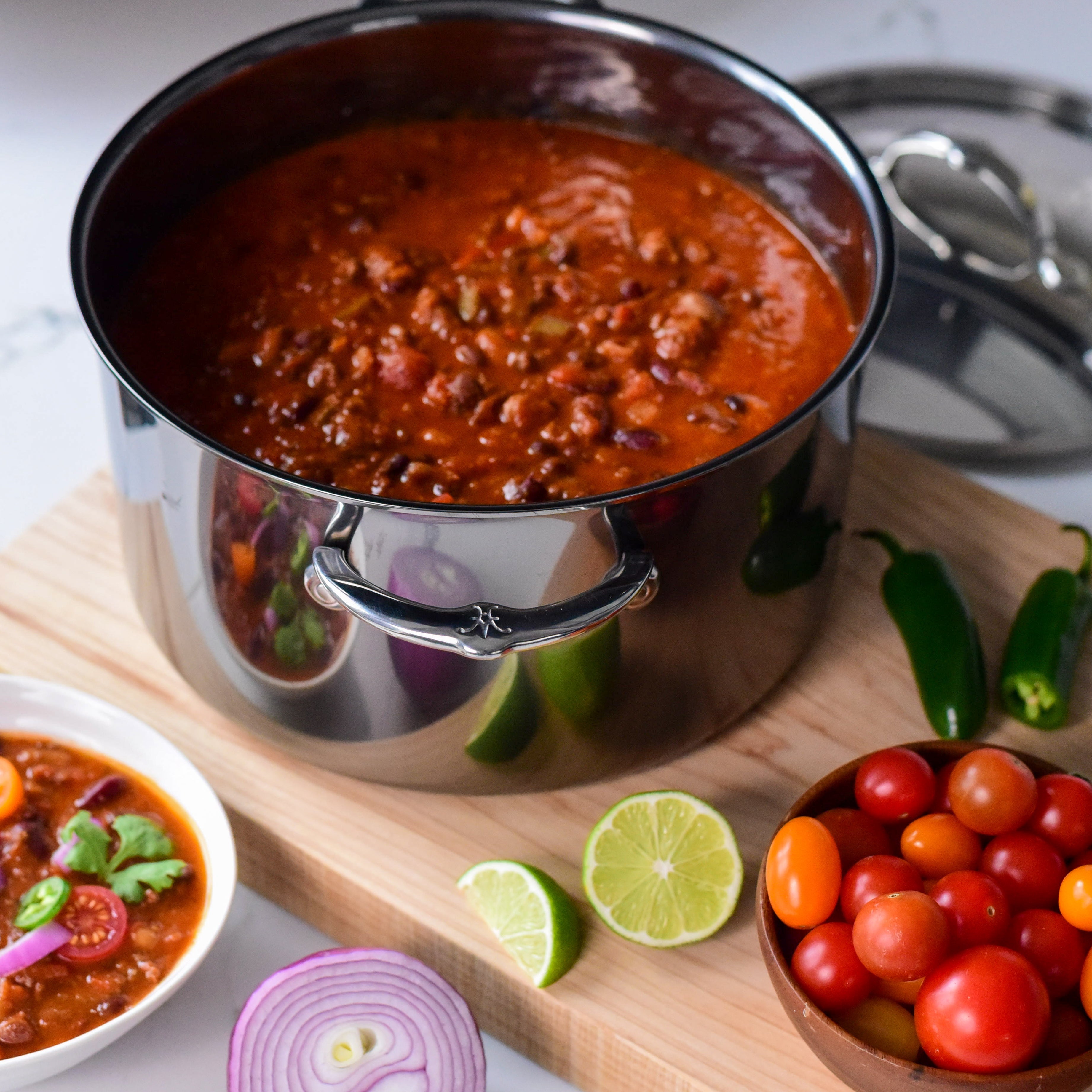
Stainless steel stockpots are a staple in both home and professional kitchens, prized for their durability, heat conductivity, and versatility. Whether preparing a hearty stew, simmering a savory broth, or boiling pasta, understanding the nuances of using a stainless steel stockpot can significantly enhance cooking outcomes. This article presents essential tips for effectively utilizing these cookware essentials, ensuring meals are prepared to perfection with efficiency and ease.
Understanding the Basics of Stainless Steel Stockpots
Before diving into the practical tips, it’s crucial to understand what makes a stainless steel stockpot an excellent choice for various cooking tasks. Here are some fundamental attributes:
-
- Durability: Stainless steel is renowned for its resilience, resisting rust, corrosion, and staining, making it a long-lasting kitchen investment.
-
- Heat Distribution: High-quality stainless steel stockpots often incorporate aluminum or copper cores for even heat distribution, preventing hot spots.
-
- Versatility: Suitable for a range of cooking methods, including boiling, simmering, and steaming.
-
- Maintenance: Easy to clean and often dishwasher safe, although hand washing is recommended to maintain its pristine condition.
Choosing the Right Size and Type
When selecting a stainless steel stockpot, size and type play a crucial role in its functionality:
-
- Size: Consider the volume of food typically prepared. Smaller households might prefer 6-quart pots, while larger families or frequent entertainers could benefit from 12-quart options.
-
- Type: Opt for stockpots with thick bases for better heat retention and those with ergonomic handles for safety and comfort.
Pre-Heating the Stockpot
Proper pre-heating is essential for achieving optimal results with a hestan stock pot:
-
- Gradual Heating: Start with low heat and gradually increase to the desired temperature to prevent warping and to ensure even heat distribution.
-
- Testing Temperature: A simple water droplet test can check readiness. A droplet should sizzle and evaporate instantly when the pot is adequately heated.
Using the Right Cooking Techniques
Mastering specific cooking techniques can elevate the quality of dishes prepared in a stainless steel stockpot:
-
- Searing: Ensure the pot is hot enough before adding meat to achieve a perfect sear without sticking.
-
- Deglazing: Use wine, broth, or water to deglaze and release flavorful browned bits stuck to the bottom, enhancing sauces and soups.
-
- Simmering: Maintain low, consistent heat when simmering to avoid boiling, which can toughen meats and over-reduce liquids.
Maintaining Your Stainless Steel Stockpot
Proper maintenance can extend the lifespan and efficiency of a stainless steel stockpot:
-
- Cleaning: Avoid abrasive cleaners. Use a mixture of vinegar and water for a natural shine and to remove stains.
-
- Storage: Store with lids off to prevent moisture buildup, which can lead to unpleasant odors or corrosion over time.
Conclusion
Incorporating these essential tips can maximize the performance and longevity of a stainless steel stockpot, ensuring it remains a valuable tool in any kitchen. By understanding the cookware’s attributes, selecting the appropriate size, and applying the right techniques, cooks can produce meals that are not only delicious but also efficiently and safely prepared.