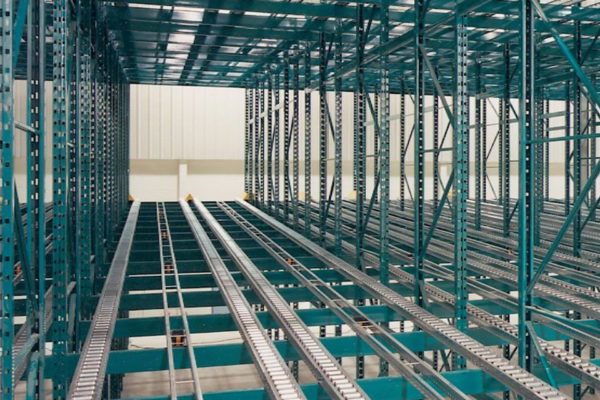
Efficient storage solutions are a critical component of any successful warehouse operation. As demands for faster and more reliable supply chains increase, the need for innovative storage systems becomes evident. Pallet flow racking is a dynamic storage solution that optimizes space utilization and enhances order-picking efficiency. By leveraging gravity and an inclined roller system, pallet flow racking provides an ideal solution to many of the challenges faced by modern warehouses. This article delves into the benefits and applications of pallet flow racking, offering insights into how this system can transform warehouse operations.
The Mechanics of Pallet Flow Racking
Understanding the mechanics of pallet flow racking is essential to appreciate its impact on storage efficiency. This system utilizes gravity to facilitate the movement of pallets from the loading side to the picking side. The inclined roller tracks enable a first-in, first-out (FIFO) inventory management, ensuring that the oldest stock is always at the forefront for picking.
Key Components
- Inclined Roller Tracks: These tracks use gravity to move pallets from the rear loading end to the front picking end.
- Brakes and Speed Controllers: These components ensure that pallets move at a controlled speed, preventing damage.
- Entry Guides: These help align pallets as they enter the system, maintaining order and reducing the risk of jams.
To understand more about how these components work together, discover expert strategies here.
Advantages of Pallet Flow Racking
Implementing pallet flow racking systems offers numerous advantages that streamline warehouse operations and maximize space utilization.
Space Optimization
By maximizing vertical and horizontal space, pallet flow racking significantly increases storage capacity. This is particularly beneficial in warehouses with limited floor space but ample vertical clearance. The system?s design minimizes aisles, allowing more room for additional pallets.
Improved Picking Efficiency
With a FIFO approach, pallet flow racking ensures that goods are picked in the correct sequence, reducing the risk of stock obsolescence. This method enhances supply chain efficiency and ensures that products are always fresh and ready for dispatch.
Reduced Handling Time
By minimizing the need for forklifts to navigate through aisles, pallet flow racking reduces handling times and improves overall warehouse productivity. Workers can focus on picking and dispatching rather than maneuvering through maze-like storage setups.
For more insights into these benefits, learn about our tailored solutions.
Applications of Pallet Flow Racking
Pallet flow racking is versatile and can be applied in various industries and warehouse settings. Its adaptability makes it suitable for:
- Food and Beverage: Ensures fast turnover of perishable items, maintaining freshness.
- Retail Warehouses: Supports efficient handling of high-demand products with predictable sales cycles.
- Manufacturing: Integrates seamlessly into production lines, facilitating a smooth flow of materials.
To explore advanced guides and tips on implementing these systems in different sectors, explore advanced guides and tips.
Conclusion
Adopting pallet flow racking systems can revolutionize warehouse operations, offering enhanced efficiency, reduced handling times, and optimal space utilization. As industries seek to improve supply chain responsiveness and inventory control, the strategic implementation of such systems is paramount. To find out more about this approach, consider consulting further resources that detail the integration and maintenance of pallet flow racking systems. With proper planning and execution, these systems can significantly contribute to achieving operational excellence in warehousing and distribution.