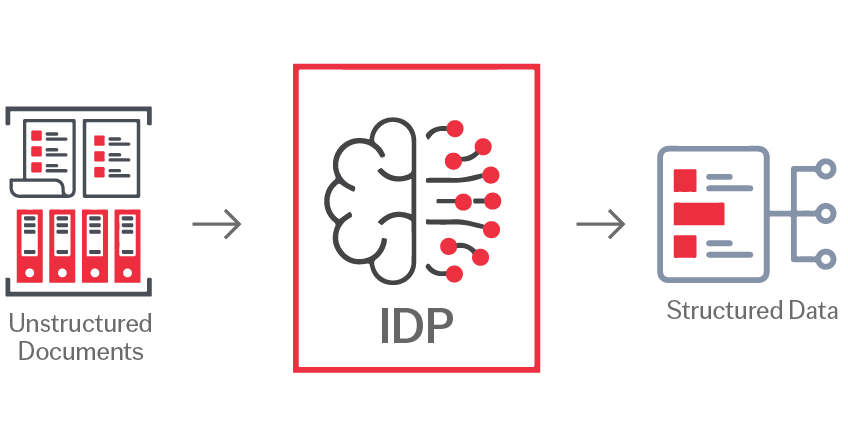
In today’s fast-paced business environment, organizations are constantly seeking ways to improve efficiency and productivity. One of the key areas of focus is document processing, which, when done manually, can be time-consuming and prone to errors. However, with the advent of AI-powered document processing solutions, businesses are transforming how they manage and process documents, enabling them to achieve more in less time. These solutions leverage cutting-edge technologies to automate data extraction, document classification, and processing workflows, providing significant advantages over traditional methods.
The Role of AI in Document Processing
Artificial Intelligence (AI) has revolutionized document processing by introducing intelligent automation capabilities. By employing AI technologies, such as machine learning and natural language processing, businesses can automate complex document tasks that previously required human intervention. Here are some ways AI enhances document processing:
- Data Extraction: AI algorithms can accurately extract relevant information from various document types, including scanned images, PDFs, and handwritten notes, reducing manual data entry.
- Document Classification: AI systems can categorize documents based on content and context, enabling efficient organization and retrieval of information.
- Workflow Automation: By integrating intelligent document processing with existing systems, businesses can streamline their workflows, reducing processing times and operational costs.
Benefits of AI-Powered Document Processing
The implementation of AI-powered document processing solutions provides numerous benefits that enhance overall productivity:
- Increased Accuracy: AI systems minimize human errors by ensuring accurate data extraction and processing, leading to higher quality outputs.
- Time Savings: Automation of repetitive tasks allows employees to focus on higher-value activities, improving overall work efficiency.
- Scalability: AI solutions can handle large volumes of documents, making them ideal for businesses experiencing growth or fluctuating document processing demands.
Key Considerations for Implementation
When adopting intelligent document processing solutions, organizations should consider the following factors:
- Integration with Existing Systems: Ensure the AI solution can seamlessly integrate with current IT infrastructure and software platforms.
- Data Security: Maintain high standards of data protection and compliance with industry regulations to safeguard sensitive information.
- Training and Support: Provide adequate training for employees to effectively use the new system and access support for troubleshooting issues.
Future Trends in AI Document Processing
The field of ai document processing continues to evolve, with emerging trends set to further enhance productivity:
- Advanced Machine Learning: Future AI systems will leverage more sophisticated machine learning models to improve accuracy and expand capabilities.
- Integration with IoT: AI document processing will increasingly integrate with Internet of Things (IoT) devices, enabling real-time data capture and processing.
- Enhanced User Interfaces: User-friendly interfaces will become more intuitive, facilitating easier interaction with AI systems for employees at all levels.
In conclusion, AI-powered document processing solutions represent a significant advancement in the way organizations manage critical documents. By automating and optimizing document workflows, businesses can achieve greater productivity, accuracy, and scalability. As technology continues to develop, these solutions will become even more integral to efficient business operations, enabling organizations to stay competitive in an increasingly digital world.