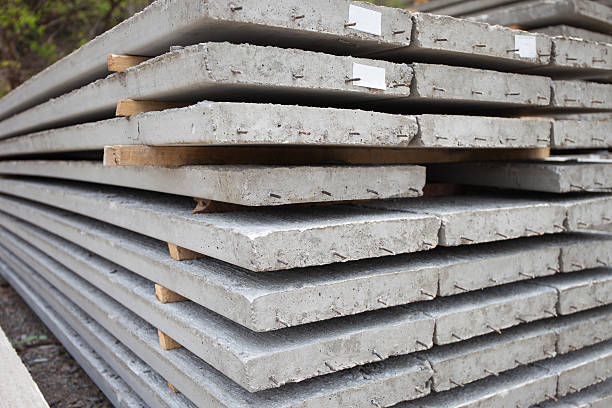
In the ever-evolving landscape of construction, efficiency and innovation hold paramount importance. As project timelines shrink and quality expectations rise, construction methodologies are continually being enhanced to meet these demands. Among the various advancements, precast concrete has emerged as a pivotal solution in enhancing construction efficiency. By manufacturing components in a controlled environment and transporting them to the construction site, precast concrete not only ensures consistency and quality but also significantly reduces construction timelines.
Understanding Precast Concrete
Precast concrete refers to the process where concrete components are cast and cured in a controlled factory setting, as opposed to traditional on-site pouring. Once they achieve the required strength, these components are transported to the construction site for assembly. This method contrasts with conventional concrete, which is poured and cured on-site, often subject to unpredictable weather conditions and logistical challenges.
Benefits of Precast Concrete
The utilization of precast concrete products offers numerous advantages that contribute to enhanced construction efficiency:
- Quality Control: Manufacturing in a controlled environment allows for stringent quality checks, resulting in high-quality components with enhanced durability.
- Time Efficiency: Precast elements can be prepared ahead of time and installed quickly, reducing the overall construction time significantly.
- Cost-Effectiveness: Reduced labor costs and minimized construction waste contribute to cost savings.
- Weather Resistance: Precast products can be installed regardless of weather conditions, ensuring uninterrupted project timelines.
- Design Flexibility: The ability to mold concrete into various shapes and sizes offers architects and engineers greater design flexibility.
Applications in Modern Construction
The adoption of precast concrete spans a wide range of construction projects, from residential buildings to large-scale infrastructure. Notably, its application is evident in:
- Commercial Buildings: Office complexes and shopping centers benefit from the speed and efficiency of precast construction.
- Residential Apartments: Multi-story residential projects utilize precast slabs and panels for rapid assembly.
- Infrastructure Projects: Bridges, tunnels, and roadways often incorporate precast elements due to their strength and durability.
Case Studies: Precast Concrete in Action
Numerous projects worldwide have successfully implemented precast concrete, showcasing its potential to revolutionize construction efficiency:
- Bridge Construction: A major city bridge project utilized precast concrete segments, resulting in a 30% reduction in construction time.
- High-Rise Buildings: In urban centers, many skyscrapers have adopted precast panels for their fa?ade, enabling quicker completion without compromising on aesthetics.
Challenges and Considerations
While the benefits of precast concrete are substantial, there are certain challenges and considerations to keep in mind:
- Transportation and Handling: The size and weight of precast elements necessitate careful planning for transportation and handling logistics.
- Initial Investment: The upfront costs for mold creation and factory setup can be significant, requiring a long-term view of cost efficiency.
- Design Limitations: While design flexibility is a benefit, there may be constraints with highly complex or unconventional architectural designs.
The Future of Precast Concrete
As technology continues to advance, the future of precast concrete looks promising. Innovations such as 3D printing and the integration of smart technologies are likely to further enhance the capabilities of precast construction. By continually refining manufacturing techniques and expanding the range of precast concrete products, the industry is poised to meet the challenges of modern construction head-on.
In conclusion, precast concrete stands as a testament to the strides made in construction technology. Its impact on efficiency, quality, and sustainability continues to shape the industry, promising a future where construction is not only faster and more efficient but also more resilient and adaptable to the needs of emerging architectural and infrastructural demands.