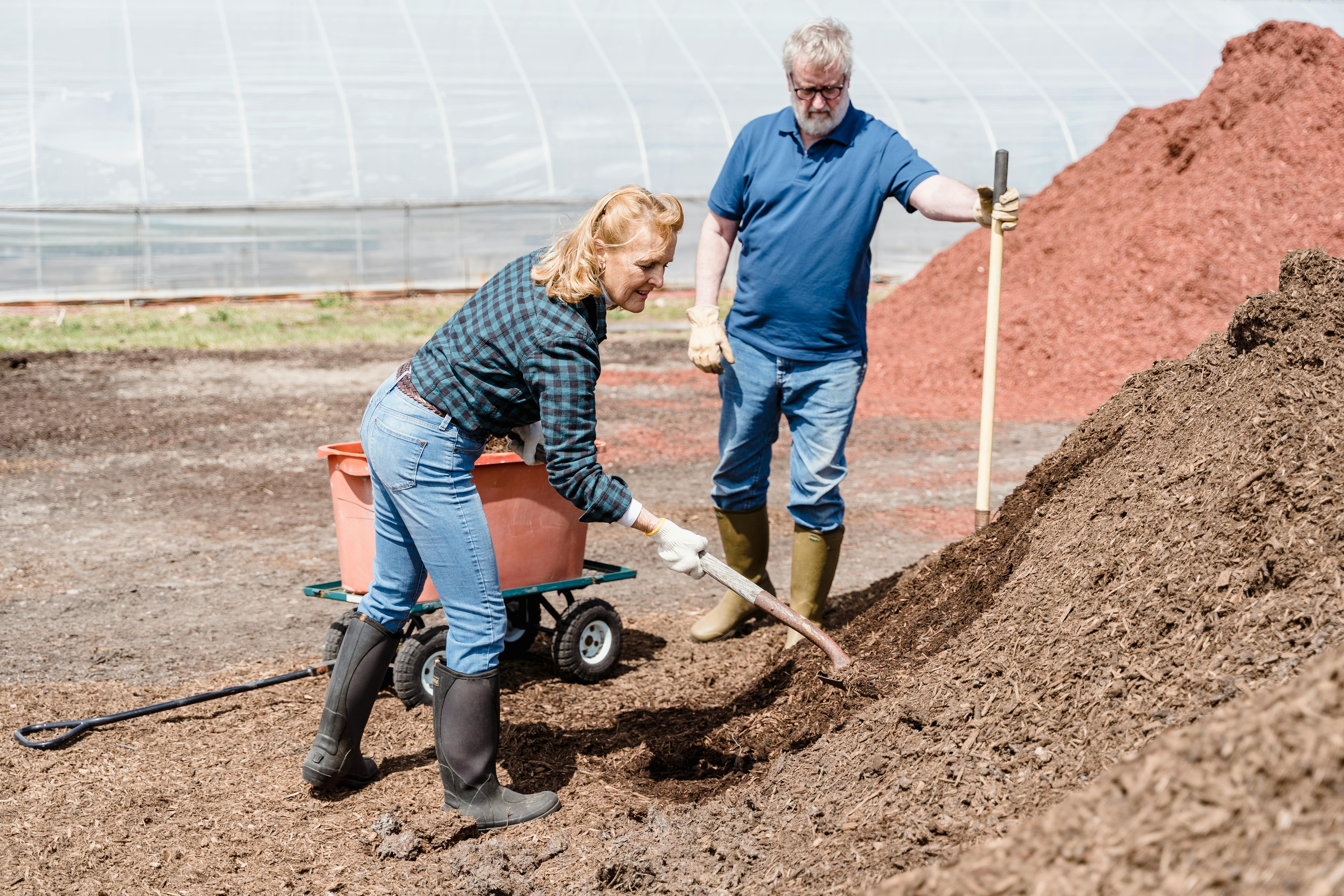
Enhance Your Garden’s Soil Health with Quality Mulch
Gardening enthusiasts understand the importance of healthy soil in achieving a thriving garden. One key component in maintaining and enhancing soil health is the use of quality mulch. By incorporating mulch into your gardening practice, you not only preserve soil moisture and suppress weeds but also improve the overall vitality of your plants. This article delves into the benefits of mulch and provides guidance on how to effectively integrate it into your garden.
Understanding the Role of Mulch in Soil Health
Mulch serves as a protective layer on the soil’s surface, offering numerous benefits that contribute to improved soil health. Here are some of the primary roles mulch plays:
- Moisture Retention: Mulch helps retain moisture in the soil by reducing evaporation, ensuring that plants receive adequate hydration.
- Weed Suppression: A layer of mulch inhibits weed growth by blocking sunlight, reducing competition for nutrients.
- Temperature Regulation: Mulch acts as an insulating layer, protecting plant roots from extreme temperatures.
- Soil Structure Improvement: As organic mulch breaks down, it enhances soil structure and promotes beneficial microbial activity.
Choosing the Right Mulch for Your Garden
Organic vs. Inorganic Mulch
When selecting mulch, it’s crucial to understand the differences between organic and inorganic options:
- Organic Mulch: Composed of natural materials like wood chips, straw, and leaves, organic mulch enriches the soil as it decomposes, providing nutrients and enhancing soil structure. Discover expert strategies here.
- Inorganic Mulch: Made from materials such as gravel or landscape fabric, inorganic mulch is long-lasting and effective at suppressing weeds but lacks the nutrient-enhancing properties of organic mulch.
Factors to Consider
When choosing mulch, consider the following factors:
- Climate: Consider local climate conditions to select mulch that best suits the environment.
- Plant Type: Different plants may benefit from specific types of mulch. For instance, vegetable gardens thrive with organic mulch, while ornamental gardens may benefit from decorative inorganic options.
- Availability: Ensure the availability of the chosen mulch type in your region and its cost-effectiveness.
Implementing Mulch in Your Garden
Application Techniques
Proper application is essential to maximize the benefits of mulch:
- Thickness: Apply a layer of mulch approximately 2-4 inches thick to effectively suppress weeds and conserve moisture.
- Spacing: Keep mulch away from plant stems and trunks to prevent rot and pest infestations.
- Renewal: Regularly check mulch levels and replenish as needed, especially after heavy rains or strong winds.
Seasonal Considerations
Mulching is a year-round task with specific seasonal practices:
- Spring: Apply fresh mulch after the soil has warmed up to encourage plant growth.
- Summer: Maintain mulch layers to ensure moisture retention and weed suppression during hot months.
- Fall: Top up mulch to protect plants from winter cold and prevent soil erosion.
For more information on selecting and applying mulch effectively, explore advanced guides and tips available online.
Conclusion
Incorporating high-quality mulch into your gardening routine is a simple yet powerful way to enhance soil health and promote vigorous plant growth. By selecting the right type of mulch and applying it correctly, you can create sustainable and flourishing garden ecosystems. For those seeking tailored solutions to fit their specific gardening needs, learn about our tailored solutions for improving soil health through effective mulching practices.