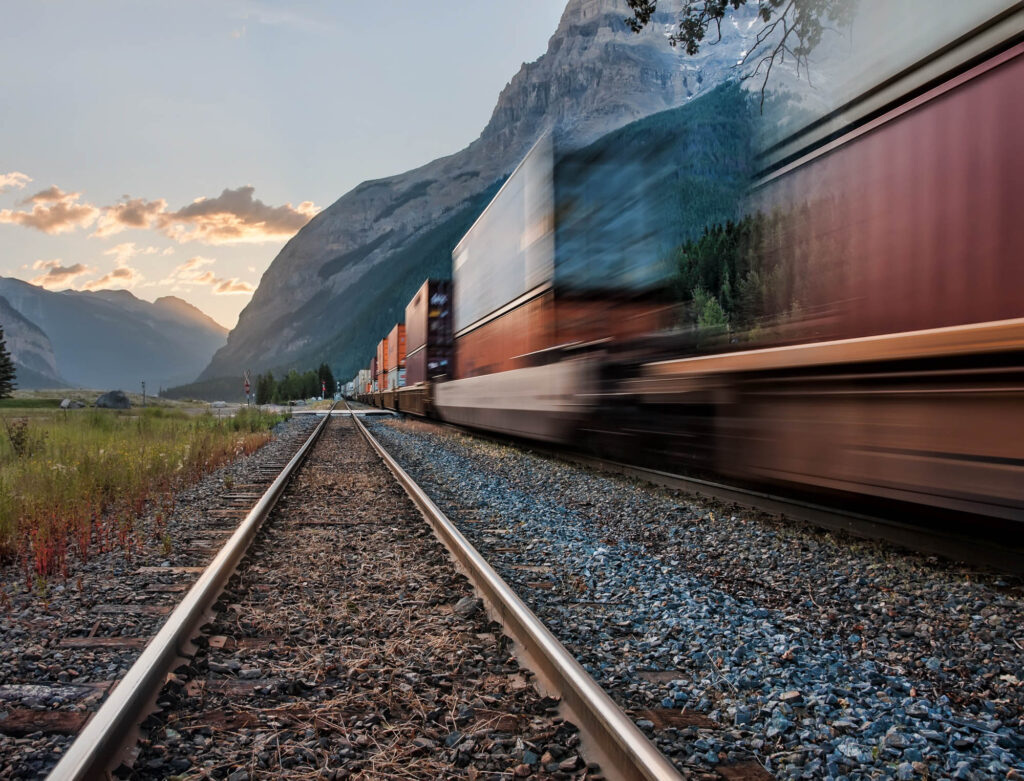
As the global community becomes increasingly aware of the environmental impact of various industries, the logistics and shipping sectors are under significant scrutiny. The need to adopt sustainable practices is more pressing than ever, and rail freight services are emerging as a key player in this green revolution. By offering a more environmentally friendly option compared to traditional road and air freight, rail transportation is reshaping the shipping landscape. This article delves into the benefits of rail freight services and how they contribute to a more sustainable future. Read more about this topic.
The Environmental Advantages of Rail Freight
Rail freight services present a plethora of environmental benefits, making them an attractive option for businesses committed to reducing their carbon footprint. Here are some of the key advantages:
- Lower Carbon Emissions: Trains are significantly more fuel-efficient than trucks, emitting up to 80% less carbon dioxide per ton-mile. This makes rail freight a vital component in efforts to combat climate change.
- Energy Efficiency: Rail transport is also more energy-efficient, consuming less fuel per ton of freight moved. This efficiency translates to reduced reliance on fossil fuels and a smaller environmental impact.
- Reduced Congestion: By shifting freight from road to rail, congestion on highways is alleviated, leading to less air pollution and lower emissions from idling vehicles.
- Minimal Noise Pollution: Trains generally produce less noise compared to trucks, contributing to a quieter, more peaceful environment.
Economic Benefits of Rail Freight
In addition to environmental advantages, rail freight services offer economic benefits that can be appealing to businesses looking to optimize their logistics operations. Explore further insights here.
- Cost-Effectiveness: Rail transport can be more cost-effective for long-distance shipping due to its fuel efficiency and the ability to move large volumes of cargo in a single journey.
- Reliable Scheduling: Trains operate on fixed schedules, providing more predictable delivery times compared to road transport, which can be affected by traffic and other variables.
- Scalability: The capacity of rail freight can be easily scaled to meet increasing demand, making it a flexible option for businesses experiencing growth.
Challenges and Considerations
While rail freight offers numerous benefits, there are also challenges and considerations to keep in mind. Learn more in this detailed guide.
- Infrastructure Limitations: Rail networks require significant infrastructure, and not all areas are accessible by train, necessitating a combination of rail and road transport for last-mile delivery.
- Initial Investment: The setup costs for rail freight can be higher due to the need for specialized equipment and infrastructure development.
- Regulatory and Operational Complexities: Navigating the regulatory environment and coordinating with multiple stakeholders can present challenges for businesses new to rail freight.
The Future of Rail Freight in Sustainable Shipping
As the logistics industry continues to evolve, rail freight is poised to play a crucial role in shaping a more sustainable future. Innovations in technology and infrastructure are making rail transport more efficient and accessible, further enhancing its appeal. By integrating rail freight into logistics strategies, businesses can not only reduce their environmental impact but also improve operational efficiency. Find additional information here.
In conclusion, embracing rail freight services is a strategic move for businesses committed to sustainability. With its numerous environmental and economic benefits, rail transport offers a viable solution for greener, more efficient shipping. As the world moves towards a more sustainable future, the role of rail freight in logistics will only continue to grow, offering significant opportunities for businesses willing to adapt and innovate.