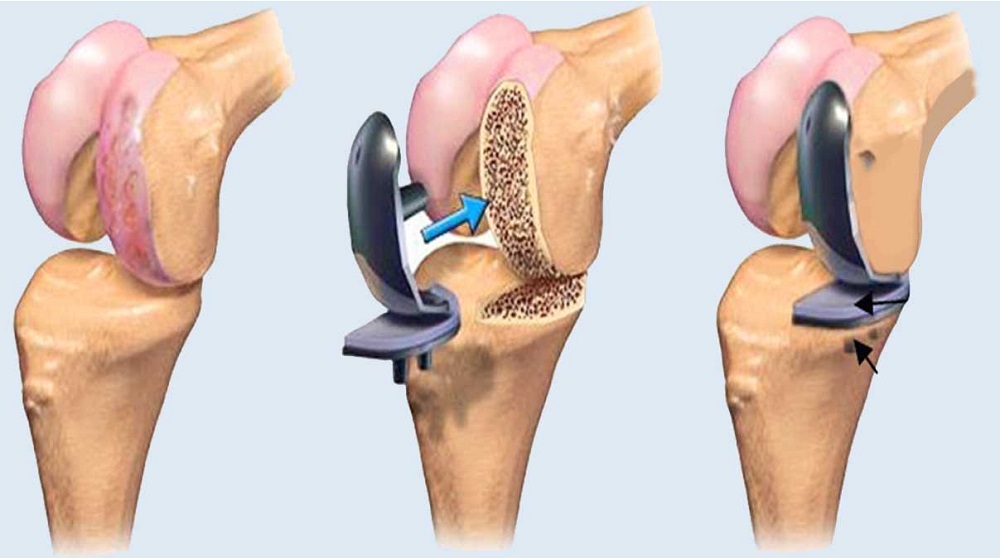
Knee replacement surgery has long been considered the definitive solution for those suffering from debilitating knee pain and osteoarthritis. However, surgery is not always the first or only option people wish to consider. Many patients are seeking alternatives to invasive surgery, either due to personal preferences, health conditions that preclude surgery, or the desire to explore less invasive treatments first. The good news is there are several effective options beyond knee replacement surgery, offering relief and improved mobility without the need for surgical intervention.
Non-Surgical Treatment Options
For those looking to explore non-surgical alternatives, several treatments have proven effective in managing knee pain:
- Physical Therapy: Personalized exercise programs designed to strengthen the muscles around the knee can significantly reduce pain and improve function. A skilled physical therapist can tailor a program to address individual needs.
- Weight Management: Losing weight can alleviate pressure on the knees, potentially reducing pain and halting the progression of arthritis.
- Medications: Nonsteroidal anti-inflammatory drugs (NSAIDs) and other medications can help manage pain and inflammation.
- Corticosteroid Injections: These can offer temporary relief from inflammation and pain, often lasting for several months.
- Hyaluronic Acid Injections: This treatment can provide lubrication to the knee joint, improving movement and reducing discomfort.
Advanced Minimally Invasive Procedures
For those seeking more advanced solutions, minimally invasive procedures can offer significant relief:
Radiofrequency Ablation
Radiofrequency ablation (RFA) is a procedure that uses heat generated by radio waves to target and deactivate nerves responsible for sending pain signals from the knee. This technique can provide long-term pain relief and is particularly useful for patients who have not found success with other treatments.
Genicular Artery Embolization
One knee replacement alternative gaining attention is genicular artery embolization (GAE). This procedure involves the injection of tiny particles into the arteries that supply blood to the knee, reducing inflammation and pain. GAE is ideal for patients with osteoarthritis looking for a minimally invasive option that avoids the risks and recovery time associated with surgery.
Lifestyle and Complementary Therapies
Incorporating lifestyle changes and complementary therapies can also contribute to knee health and pain management:
- Dietary Adjustments: Consuming an anti-inflammatory diet rich in omega-3 fatty acids can help reduce joint inflammation.
- Acupuncture: This ancient practice has been shown to alleviate knee pain in some patients by stimulating the body’s natural pain-relieving mechanisms.
- Supplements: Glucosamine and chondroitin supplements may help some patients with osteoarthritis, although the evidence is mixed.
- Mind-Body Techniques: Practices such as yoga and tai chi can improve flexibility, strength, and overall joint function while also reducing stress and improving mental well-being.
Conclusion
When considering alternatives to knee replacement surgery, it’s crucial to consult with healthcare professionals to determine the most appropriate course of treatment. Each patient?s situation is unique, and what works for one person may not be suitable for another. With a growing array of non-surgical and minimally invasive options available, many individuals are finding effective ways to manage knee pain and improve their quality of life without undergoing major surgery.