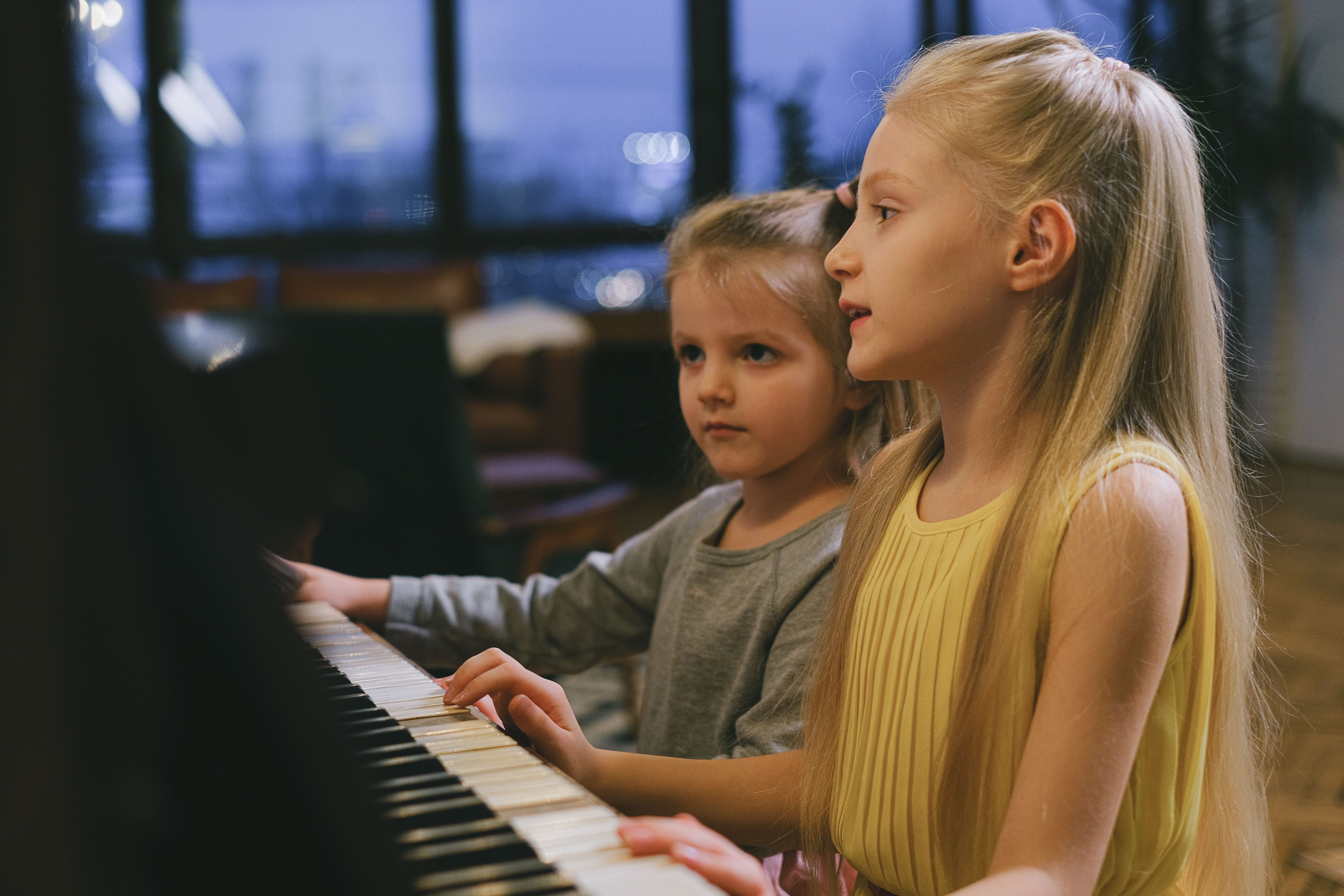
Early music education for children is a vital component in fostering cognitive development and enhancing creativity. It is a subject that has garnered much attention due to its profound impact on a child’s growth. Introducing music at a young age not only aids in developing musical skills but also contributes to a child’s overall educational journey. When children engage with music, they experience improvements in areas such as language skills, social interaction, and emotional intelligence. As the importance of early music education becomes increasingly recognized, it is essential to understand the benefits, methods, and resources available to support this aspect of childhood learning.
The Benefits of Early Music Education
An early introduction to music can significantly influence various aspects of a child’s development:
- Cognitive Development: Engaging with music enhances brain functions that are crucial for problem-solving and critical thinking.
- Language Skills: Music education helps in the development of phonological awareness, a key component in learning to read.
- Emotional Intelligence: Music enables children to express themselves and understand emotions, fostering empathy.
- Social Skills: Group music activities enhance cooperation, teamwork, and communication skills.
Discover expert strategies here to further explore the benefits of early music education.
Methods of Integrating Music into Early Childhood Education
There are various effective methods to incorporate music into children’s education. These include:
Interactive Music Sessions
Interactive music sessions involve activities where children actively participate by singing, clapping, or playing instruments. These sessions are designed to be fun and engaging, ensuring that children remain attentive and interested. The use of simple instruments like tambourines or maracas can make these sessions more dynamic and enjoyable.
Learn about tailored solutions for music integration by visiting this page.
Music and Movement
Combining music with movement activities allows children to enhance their motor skills while having fun. Dancing to music helps children improve their coordination and rhythm. This method is particularly effective for young children who enjoy being active.
Find out more about this approach here.
Resources and Programs for Early Music Education
Various resources and programs are available to support early music education. These resources offer structured curriculums and materials that cater to different age groups and skill levels.
Music Classes and Workshops
Music classes and workshops are excellent for children to learn in a structured environment. These classes often focus on different elements of music, such as rhythm, melody, and harmony, providing a comprehensive music education experience.
Explore advanced guides and tips on music programs here.
Online Resources
With the advent of digital technology, numerous online resources are available that can be utilized to teach music to children. These include educational apps, virtual lessons, and interactive games that make learning music both accessible and entertaining for kids.
For more information on online music resources, visit this link.
Conclusion
Early music education is an invaluable part of a child’s development journey. It not only enhances cognitive and social skills but also nurtures creativity and emotional intelligence. By understanding the benefits and methods of integrating music into early education, guardians and educators can provide children with a rich and supportive learning environment. As research continues to highlight the importance of music in child development, the need for effective music education programs becomes increasingly evident. By leveraging available resources and strategies, children can be given the opportunity to thrive musically and academically.