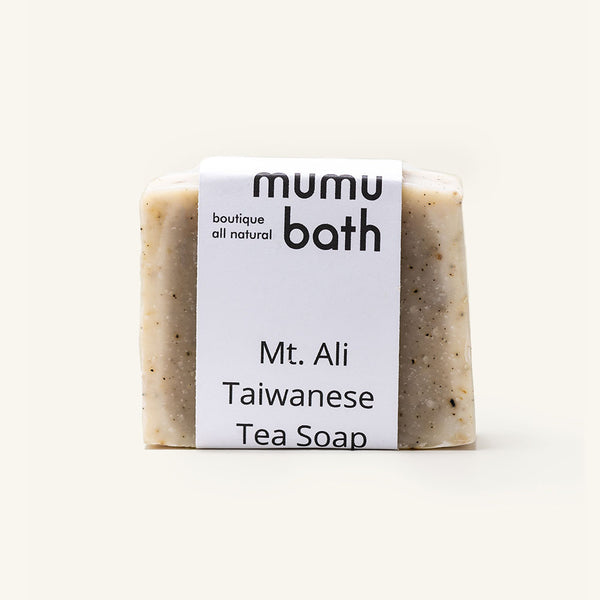
In an era where consumers are increasingly aware of the ingredients in the products they use daily, the demand for natural and organic personal care items is on the rise. Among these, handmade soap has garnered significant attention due to its use of organic ingredients. These soaps not only offer a luxurious cleansing experience but also provide numerous benefits for the skin and the environment. Understanding the power of these organic components can transform the way one perceives skincare and personal hygiene.
The Benefits of Organic Ingredients
Organic ingredients in handmade soap bring a multitude of advantages that synthetic alternatives often cannot match. Here are some key benefits:
- Skin-Friendly: Organic soaps are free from harsh chemicals and synthetic fragrances that can irritate sensitive skin. Instead, they rely on natural oils, herbs, and essential oils to provide a gentle yet effective cleansing experience.
- Environmental Impact: By choosing soaps made with organic ingredients, consumers support sustainable farming practices that reduce pollution and conserve water. This choice also minimizes the carbon footprint associated with the production and disposal of synthetic chemicals.
- Natural Fragrances: Essential oils used in organic soaps offer therapeutic benefits and natural scents, unlike artificial fragrances that often contain allergens and toxins.
Common Organic Ingredients in Handmade Soap
The world of organic soap is rich with diverse ingredients, each contributing unique properties to the final product. Some popular organic ingredients include:
Olive Oil
Known for its moisturizing properties, olive oil is a staple in many organic soaps. It helps to create a rich lather while leaving the skin feeling soft and nourished. Olive oil is also packed with antioxidants that protect against environmental damage.
Coconut Oil
Coconut oil is prized for its ability to produce a creamy lather and deep cleanse the skin. It also possesses antibacterial properties, making it a popular choice for those with acne-prone skin.
Shea Butter
Renowned for its ability to hydrate and soothe dry skin, shea butter is an excellent addition to any handmade soap. It is rich in vitamins A and E, which promote skin health and healing.
Essential Oils
Essential oils such as lavender, tea tree, and eucalyptus not only impart delightful natural fragrances but also offer various therapeutic benefits. For instance, lavender oil is known for its calming properties, while tea tree oil provides antibacterial and anti-inflammatory effects.
Why Choose Organic Handmade Soap?
Opting for organic handmade soap is more than just a trend; it is a lifestyle choice that prioritizes health and sustainability. By selecting products with natural ingredients, consumers can enjoy:
- Transparency: Organic soap producers often provide comprehensive information about their ingredients, ensuring that consumers know exactly what they are putting on their skin.
- Quality Over Quantity: Handmade soaps are crafted with care, focusing on quality ingredients and ethical production methods, rather than mass production.
- Support for Local Artisans: Choosing handmade soaps often means supporting small businesses and local artisans who are passionate about creating high-quality, eco-friendly products.
Conclusion
Embracing the power of organic ingredients in handmade soap offers a holistic approach to personal hygiene and skincare. By understanding the benefits and properties of these natural components, consumers can make informed choices that enhance their well-being and contribute to a more sustainable world. For those seeking a truly nourishing and environmentally conscious cleansing experience, exploring the world of organic soap is a step in the right direction.