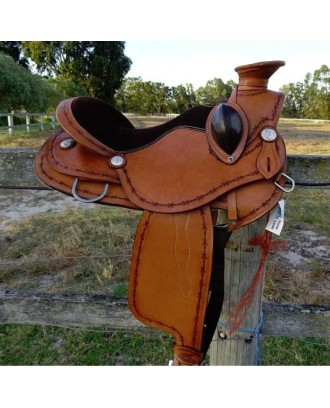
Horseback riding, a timeless and exhilarating pursuit, requires the perfect combination of skill, technique, and equipment. Among the essential gear, saddles play a pivotal role in ensuring a comfortable and smooth ride for both the horse and the rider. The right saddle not only enhances performance but also safeguards the health and well-being of the horse. As equestrians seek to optimize their riding experience, understanding the nuances of saddle selection becomes imperative.
Key Considerations for Choosing a Comfortable Saddle
Selecting the right saddle involves several critical factors. It’s not merely about aesthetics or style but about ensuring the saddle fits both horse and rider perfectly. Here are the key aspects to consider:
- Fit for the Horse: A saddle should conform to the horse’s back, providing even weight distribution. This prevents pressure points and discomfort.
- Rider Comfort: The seat size should match the rider’s body, allowing for flexibility and ease of movement.
- Material Quality: Durable materials like premium leather ensure longevity and resilience, essential for frequent riding.
- Purpose: Different disciplines require specific saddle designs, such as dressage, jumping, or western riding.
To delve deeper into these considerations, explore advanced guides and tips on selecting the ideal saddle for your needs.
The Impact of Saddle Design on Riding Experience
The design of a saddle significantly influences the riding experience. A well-designed saddle enhances communication between the rider and the horse, enabling subtle cues and better control. Here are some design elements that play a crucial role:
- Tree Construction: The saddle tree is the framework that dictates the shape and balance of the saddle. A well-constructed tree offers stability and comfort.
- Padding and Cushioning: Adequate padding ensures shock absorption, reducing strain on the horse’s back and enhancing rider comfort.
- Flap Length and Position: The length and position of the saddle flaps should align with the rider’s leg length and riding style.
For more detailed insights into how saddle design can optimize your equestrian pursuits, discover expert strategies here.
Maintaining Your Saddle for Longevity
Proper maintenance of a saddle is essential to retain its comfort and functionality over time. Regular care not only extends the life of the saddle but also ensures it remains a reliable partner in your equestrian endeavors. Consider the following maintenance tips:
- Regular Cleaning: Clean the saddle after each ride to remove dirt and sweat, which can degrade the material.
- Conditioning Leather: Use high-quality leather conditioners to keep the saddle supple and prevent cracking.
- Check Fittings: Regularly inspect the fittings and adjust them as needed to maintain the perfect fit.
To learn more about maintaining your saddle in pristine condition, find out more about this approach.
Conclusion
Investing in the right saddle is a crucial step toward a rewarding and enjoyable equestrian experience. By understanding the factors that influence saddle comfort and performance, riders can make informed decisions that benefit both themselves and their horses. For additional information and tailored solutions to enhance your riding endeavors, learn about our tailored solutions.