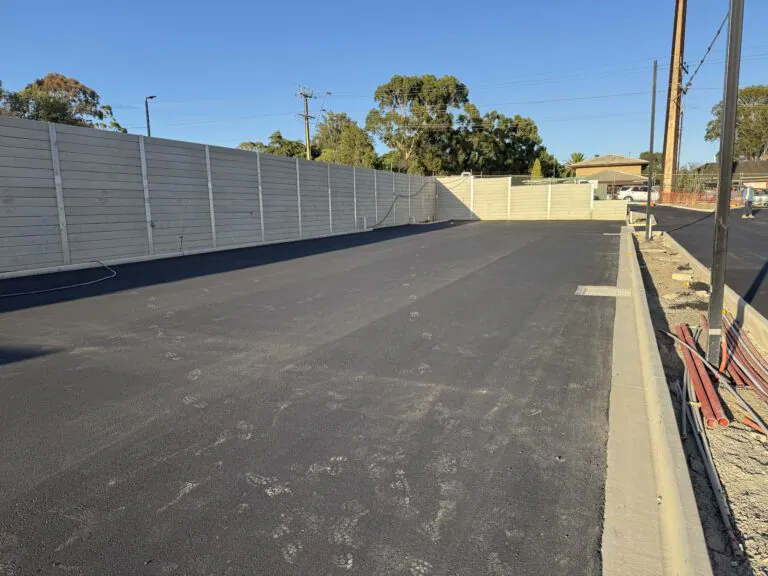
Civil construction is a vital sector that plays a significant role in the infrastructure development of any region. It encompasses a wide range of services and activities, including the design, construction, and maintenance of both natural and physically built environments. This field is critical for creating the infrastructure necessary for societal functioning, such as roads, bridges, airports, and water systems. Understanding the scope and services involved in civil construction can help stakeholders make informed decisions about projects and investments.
Scope of Civil Construction Services
The scope of civil construction services is broad and includes numerous activities that contribute to the development and maintenance of infrastructure. Some of the key services include:
- Site Preparation: This involves clearing the land, excavating, and grading to prepare the site for construction. It’s a crucial first step that sets the foundation for a successful project.
- Structural Construction: This includes the construction of buildings, bridges, tunnels, and other structures. It requires careful planning and execution to ensure safety and longevity.
- Transportation Infrastructure: Building roads, highways, and railways is essential for connectivity and economic growth. These projects are often large-scale and require significant resources.
- Water Systems: Developing water supply networks, sewage systems, and drainage systems is vital for public health and sanitation. These projects also address flood control and water management.
- Environmental Construction: Projects focused on environmental improvement, such as land reclamation and erosion control, are becoming increasingly important.
For a deeper understanding of the scope and range of civil construction services, explore further insights here.
Key Considerations in Civil Construction Projects
Civil construction projects require careful planning and consideration of various factors to ensure success. Key considerations include:
- Regulatory Compliance: Adhering to local and national regulations, codes, and standards is crucial. This ensures that the construction is legal and meets safety and quality requirements.
- Project Management: Effective project management involves coordinating resources, timelines, and budgets. This is essential to keep the project on track and within budget.
- Sustainability: With increasing emphasis on environmental responsibility, projects should consider sustainable practices and materials to minimize ecological impact.
- Technology Integration: Utilizing advanced technologies like BIM (Building Information Modeling) and drones can enhance project efficiency and accuracy.
- Risk Management: Identifying and mitigating risks early can prevent delays and cost overruns. This includes anticipating potential challenges related to weather, supply chain, and labor.
To learn more about the critical factors influencing civil construction projects, read more about this topic.
Challenges in the Civil Construction Industry
Like any sector, civil construction faces its own set of challenges that need to be addressed to ensure successful project execution:
- Cost Overruns: Budgeting accurately is often a challenge, and unforeseen expenses can lead to significant cost overruns.
- Safety Concerns: Construction sites can be hazardous, making safety a top priority. Compliance with safety protocols is essential to prevent accidents.
- Labor Shortages: Finding skilled labor can be difficult, leading to potential delays and increased costs.
- Technological Adoption: While technology offers many benefits, adopting new systems and training staff can be a challenge for some organizations.
For additional information on overcoming these challenges, find additional information here.
The Future of Civil Construction
The future of civil construction is poised for transformation, driven by technological advancements and sustainability trends. Key trends include:
- Automation and Robotics: The use of robots for construction tasks is expected to increase, improving efficiency and safety.
- Green Construction: There is a growing focus on environmentally friendly building practices and materials.
- Smart Infrastructure: Integration of IoT (Internet of Things) in infrastructure to enhance functionality and maintenance.
- Modular Construction: Prefabricated and modular construction techniques are gaining popularity due to their cost-effectiveness and speed.
To explore these future trends and their implications, learn more in this detailed guide.