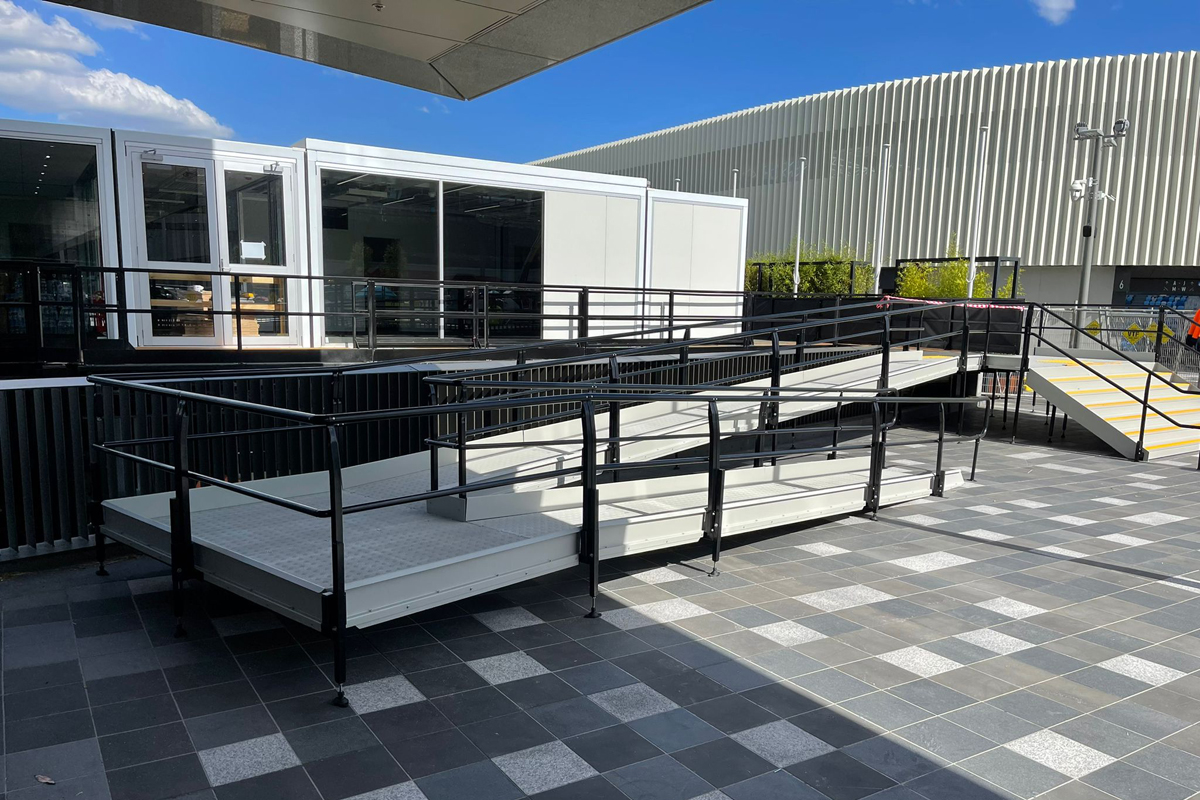
The world is beginning to embrace the importance of accessibility, ensuring that all individuals, regardless of physical limitations, can navigate their environments with ease. A key player in this evolving landscape is the humble ramp. Once viewed as merely a functional solution, ramps have undergone a significant transformation in design and application, becoming pivotal in the push towards universal accessibility. These innovative designs are not only enhancing mobility for those with disabilities but are also proving to be beneficial for the broader community, including parents with strollers, travelers with luggage, and even cyclists.
The Evolution of Ramp Design
Over the years, ramps have evolved from basic structures to sophisticated solutions tailored to diverse needs. This evolution is marked by several key advancements:
- Materials: Modern ramps utilize advanced materials such as lightweight aluminum, sustainable wood, and durable composites, ensuring strength, longevity, and aesthetic appeal.
- Customization: Companies now offer customized ramp solutions that cater to specific dimensions and functional requirements, fitting seamlessly into various environments.
- Portable Designs: Portable ramps have become increasingly popular, offering flexibility and ease of transport, essential for temporary or multi-location use.
- Technological Integration: Some ramps are integrated with smart technology, such as sensors and automated adjustments, to enhance user experience and safety.
Impact on Accessibility and Inclusion
The impact of these innovative ramp designs extends beyond mere convenience. They are catalysts for societal inclusion, providing equitable access to public and private spaces. Key benefits include:
- Enhanced Independence: Ramps empower individuals with mobility challenges to move freely and independently, reducing reliance on assistance.
- Legal Compliance: Many countries have accessibility mandates requiring ramps in public spaces, and innovative designs help meet these legal standards effectively.
- Universal Design: Ramps contribute to the concept of universal design, which aims to create environments that are accessible to all, regardless of age, size, or ability.
Community and Economic Benefits
Beyond individual advantages, innovative ramp designs offer substantial benefits to communities and economies:
- Increased Patronage: Accessible spaces attract a broader range of visitors, including people with disabilities, their families, and friends, thereby increasing patronage and revenue.
- Enhanced Community Image: Businesses and cities that prioritize accessibility are often viewed more favorably, enhancing their reputation and drawing positive attention.
- Job Creation: The demand for innovative ramps has spurred job creation in design, manufacturing, and installation sectors, contributing positively to the economy.
Future Directions in Ramp Innovation
Technological Advancements
The future of ramp design is closely tied to technological advancements. Innovations such as automated deployment, smart sensors, and adaptive materials are set to redefine how ramps are used and perceived. These technologies promise to make ramps more efficient and user-friendly, offering a glimpse into a future where accessibility is seamlessly integrated into every aspect of design and construction.
Sustainable and Inclusive Growth
As sustainability becomes a critical consideration in construction and urban planning, ramps are not exempt from this trend. The use of recycled materials and eco-friendly manufacturing processes is gaining traction, reflecting a commitment to environmental stewardship. Coupled with the push for inclusive design, the future of ramps lies in creating solutions that are both environmentally responsible and universally accessible.
The ongoing innovation in ramp design highlights a broader commitment to accessibility and inclusivity. By embracing cutting-edge technologies and sustainable practices, ramps are set to play an even more integral role in shaping a world where everyone has the freedom to move and participate fully in society. As these advancements continue, the future of accessible design looks promising, with ramps leading the charge towards a more inclusive world.