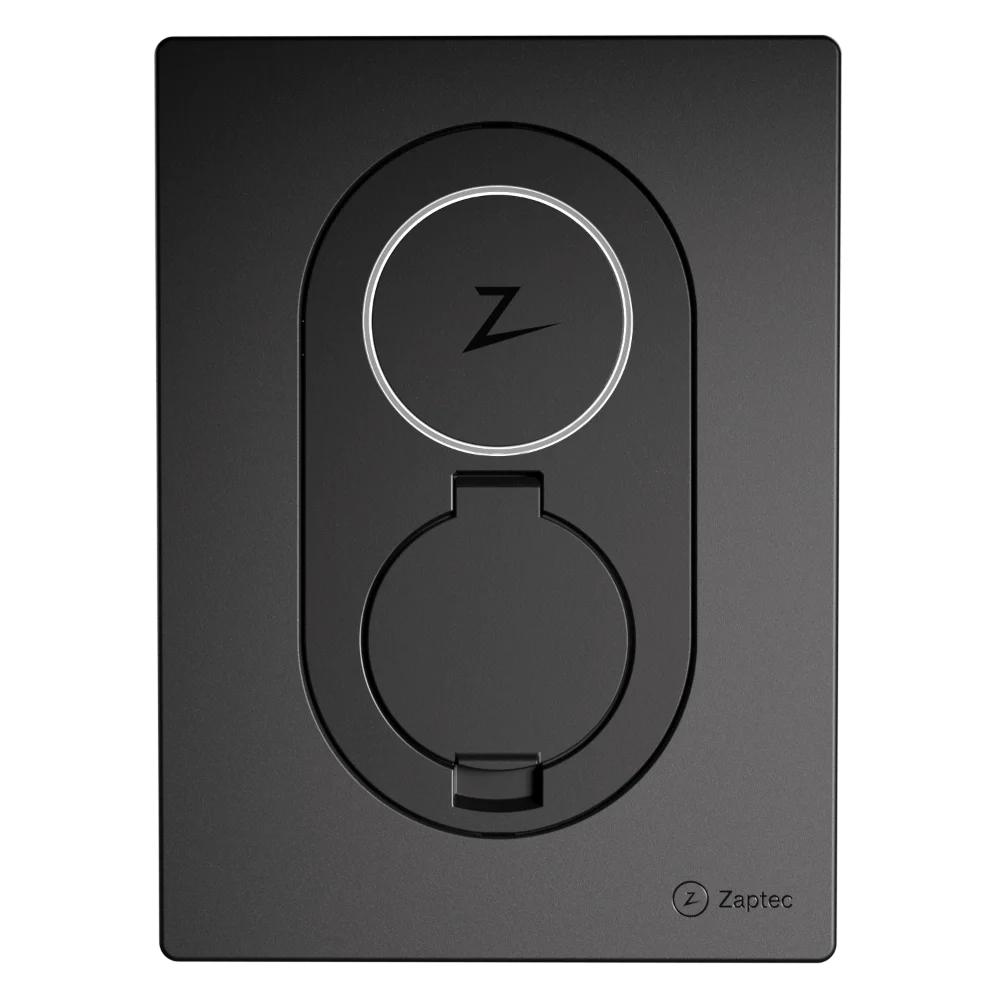
As electric vehicles (EVs) become increasingly popular, more homeowners are considering the benefits of installing an electric car charger at home. Upgrading to an electric car charger not only enhances the convenience of charging your vehicle but also adds value to your property. This article will explore the advantages of home charging, the types of EV chargers available, and how to make an informed decision when choosing a charger.
The Advantages of Home Charging
Having an electric car charger at home offers numerous benefits that extend beyond mere convenience. Here are some key advantages:
- Cost Efficiency: Charging your EV at home can be more cost-effective than using public charging stations. Many utility companies offer lower electricity rates during off-peak hours, allowing you to save on energy costs.
- Time Savings: With a home charger, you eliminate the need for trips to public charging stations, saving you valuable time.
- Increased Property Value: Installing a home charger can increase your property’s value, as potential buyers may view it as a modern and desirable feature.
- Convenience and Comfort: Charging at home means you always have a fully charged vehicle ready to go, without the hassle of waiting in line at public stations.
Types of Electric Car Chargers
When considering installing an electric car charger at home, it’s important to understand the different options available. The main types of chargers include:
Level 1 Chargers
Level 1 chargers are the most basic type and typically come with the vehicle. They use a standard household outlet and provide a slow charging rate, which may take several hours to fully charge a vehicle. While they are convenient and require no additional installation, they may not be suitable for all drivers, especially those with longer commutes.
Level 2 Chargers
Level 2 chargers require a 240-volt outlet and offer a significantly faster charging rate compared to Level 1 chargers. They are ideal for homeowners who need to charge their vehicles overnight or have multiple electric vehicles. Installing a Level 2 charger may require professional electrical work, but the efficiency and time savings can be well worth the investment. Explore advanced guides and tips on selecting the right Level 2 charger.
Making the Right Choice
Choosing the right electric car charger for your home involves considering several factors:
- Vehicle Requirements: Understand your vehicle’s charging capabilities and requirements to ensure compatibility with the charger.
- Installation Costs: Assess the costs associated with installing a charger, including any potential electrical upgrades needed for your home.
- Future Proofing: Consider future needs, such as upgrading to a more advanced EV or adding additional vehicles to your household.
It’s advisable to consult with a professional to assess your home’s electrical capacity and determine the best location for installation. Discover expert strategies here to make an informed decision.
Conclusion
Upgrading your home with an electric car charger is a smart investment that offers convenience, cost savings, and increased property value. By understanding the different types of chargers and considering your unique needs, you can make a well-informed decision that enhances your EV experience. Learn about our tailored solutions to find the perfect fit for your home and lifestyle.
For more information on electric car chargers and to explore a range of options, find out more about this approach.