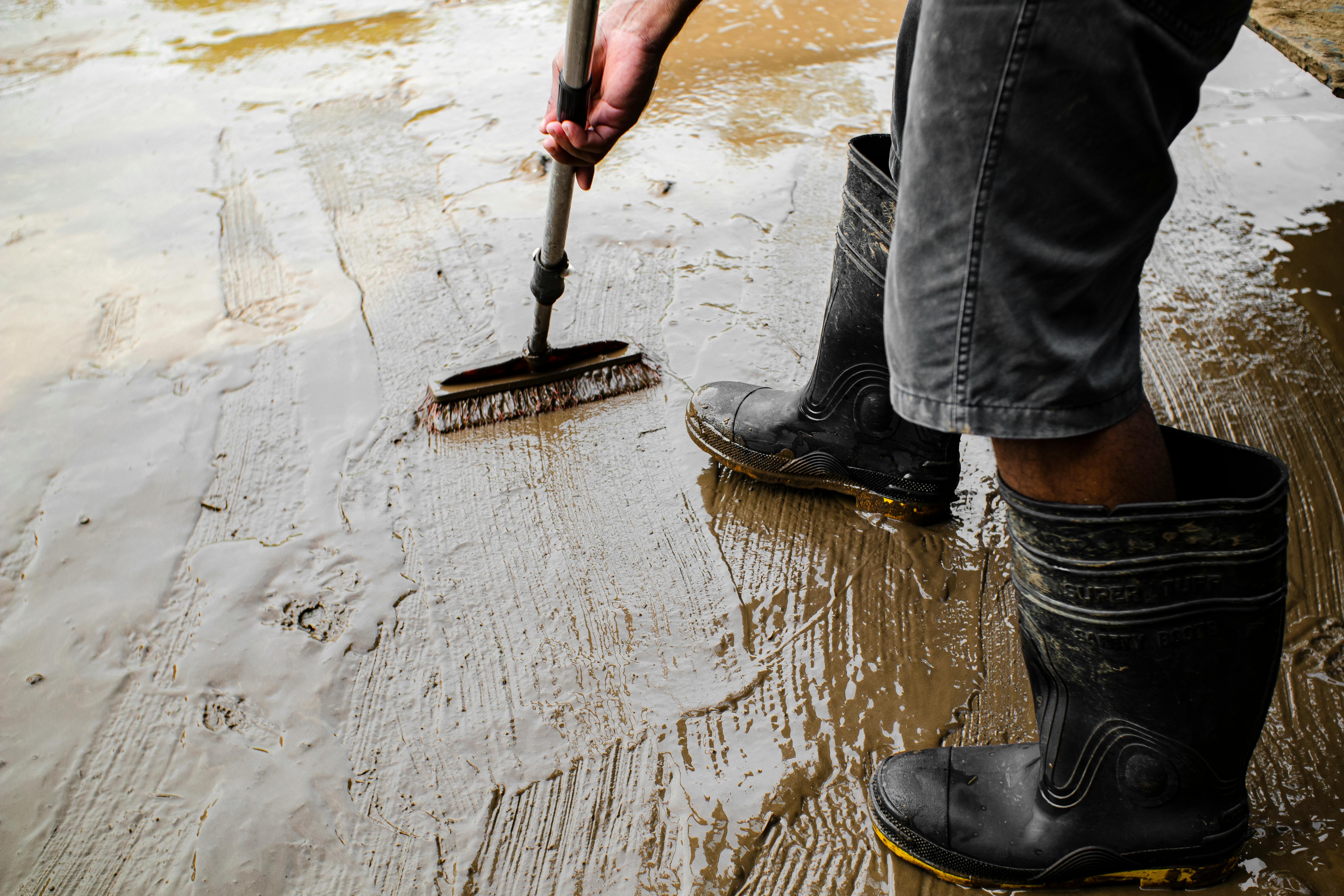
Concrete structures, whether used for residential, commercial, or industrial purposes, face the challenge of moisture infiltration. Protecting these structures from the elements is crucial to ensure their longevity and maintain their structural integrity. Choosing the right concrete waterproofing sealer is an essential step for anyone looking to safeguard their investment. This article delves into the factors to consider when selecting a concrete waterproofing sealer, the benefits of such sealers, and the various types available in the market.
Understanding the Need for Concrete Waterproofing
Concrete is a porous material, which means it can absorb water and other liquids. Over time, this absorption can lead to significant damage, including cracks, spalling, and deterioration. Waterproofing sealers play a vital role in:
- Preventing water and moisture penetration
- Reducing damage caused by freeze-thaw cycles
- Protecting against chemical damage and efflorescence
- Enhancing the durability and lifespan of concrete structures
Investing in a high-quality concrete waterproofing sealer is a proactive approach to maintaining the integrity of concrete surfaces.
Types of Concrete Waterproofing Sealers
Penetrating Sealers
Penetrating sealers work by entering the pores of the concrete and forming a barrier against moisture. They are ideal for surfaces that need to maintain their original appearance.
Film-Forming Sealers
Film-forming sealers create a protective film on the surface of the concrete. They offer a glossy finish and can enhance the aesthetic appeal of concrete surfaces.
Concrete Protection Coatings
For areas requiring additional protection, concrete protection coating offers a robust barrier against environmental damage. They are particularly useful in industrial settings where chemical exposure is a concern.
Factors to Consider When Choosing a Sealer
When selecting a concrete sealer, several factors come into play:
- Purpose and Environment: Consider whether the concrete is indoors or outdoors, and the specific environmental conditions it will face.
- Surface Finish: Decide whether a natural finish or an enhanced look with gloss is desired.
- Durability Requirements: Choose a sealer based on the expected wear and tear. High-traffic areas might require more robust solutions.
- Application Method: Some sealers are easier to apply than others, whether by brush, roller, or spray.
In places like Saskatoon, where weather conditions can be extreme, a concrete surface sealer Saskatoon is invaluable in providing the necessary protection.
Benefits of Using the Right Sealer
Employing the right sealer provides numerous advantages, such as:
- Increased longevity of concrete structures
- Enhanced aesthetic appeal and color retention
- Improved resistance to stains and dirt
- Cost savings in maintenance and repairs over time
Sealing concrete not only protects but also preserves its value, making it a wise investment for any property owner.
Conclusion
Choosing the best concrete sealant involves understanding the specific needs of the concrete surface and the environmental factors it will encounter. With the right sealer, concrete can be protected from the ravages of moisture and other damaging elements, ensuring that it remains durable and visually appealing for years to come. Selecting from the wide range of available sealers can be daunting, but considering factors like purpose, application method, and environmental conditions will guide the decision-making process.