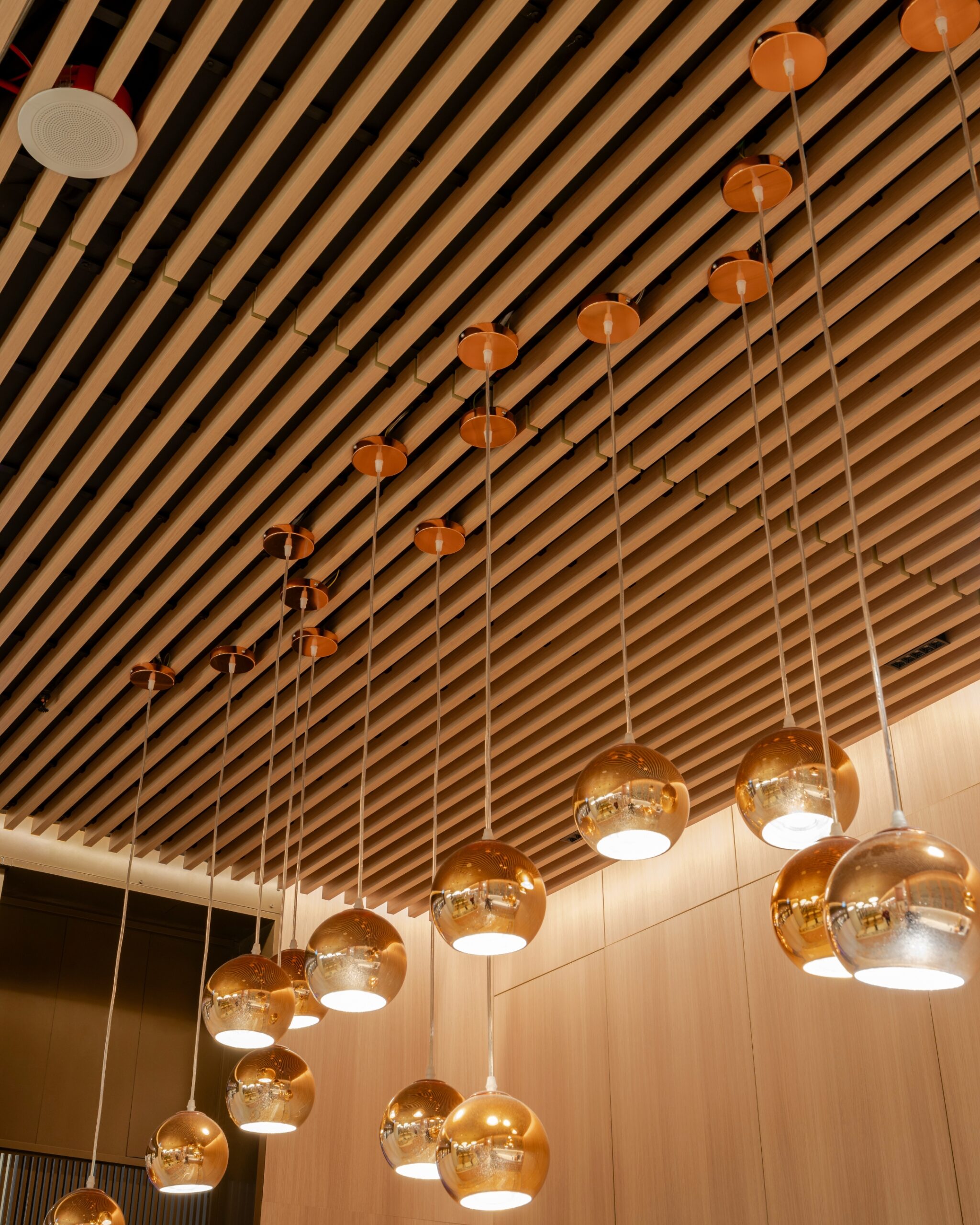
In the world of interior design, the aesthetic appeal and functionality of a space are paramount. One of the most effective ways to transform a room is through the use of wall panels, particularly fluted wall panels. These panels not only add texture and depth but also enhance the acoustics and ambiance of any space. Selecting the right fluted wall panels involves several considerations, including material, style, installation, and maintenance. This guide will explore these aspects in detail to help you make an informed decision for your next project.
Understanding Fluted Wall Panels
Fluted wall panels are characterized by their vertical grooves that create a ribbed texture. This design offers a modern and sophisticated look, making it a popular choice for both residential and commercial spaces. When considering fluted wall panels, it’s important to understand their key features and benefits:
- Visual Appeal: The vertical grooves add an elegant dimension to walls, enhancing the overall design aesthetic of the space.
- Acoustic Properties: The texture of fluted panels improves sound absorption, making them ideal for spaces where noise control is crucial.
- Versatility: Available in various materials and finishes, fluted wall panels can complement a wide range of interior styles.
Choosing the Right Material
Wood
Wooden fluted panels offer a classic and warm look that suits traditional and modern interiors alike. They are available in various species such as oak, walnut, and teak, each providing a distinct grain and color. Wood panels are also known for their durability and can be treated to enhance their resistance to moisture and pests.
Metal
For a more industrial and sleek appearance, metal fluted wall panels are an excellent choice. They are typically made from aluminum or steel and can be powder-coated in different colors. Metal panels are highly durable and resistant to wear, making them suitable for high-traffic areas.
Composite Materials
Composite panels are manufactured using a blend of materials, often combining the benefits of wood and plastic. They offer excellent durability and are available in a variety of finishes to mimic the look of natural wood or metal.
Styles and Finishes
The style and finish of fluted wall panels can significantly affect the overall look of a space. Consider the following options:
- Natural Finish: Allows the natural beauty of the wood grain or metal sheen to shine through.
- Painted: Customizable in a range of colors to match any interior palette.
- Textured: Adds an additional layer of visual interest and can be used to create focal points within a room.
Installation Considerations
Proper installation is key to ensuring that fluted wall panels achieve their desired effect. Here are some factors to consider during installation:
- Surface Preparation: Ensure the wall surface is clean, dry, and smooth to facilitate adhesion and stability.
- Panel Alignment: Careful alignment of the panels is crucial to create a seamless and cohesive look.
- Secure Fixing: Use appropriate fixings and adhesives to secure panels safely and securely.
Maintenance Tips
Maintaining fluted wall panels involves regular cleaning and occasional touch-ups to preserve their appearance and functionality. Consider the following maintenance tips:
- Regular Dusting: Use a soft cloth or vacuum with a brush attachment to remove dust from grooves.
- Spot Cleaning: For stains or marks, use a mild detergent and water solution. Avoid harsh chemicals that may damage the finish.
- Periodic Inspections: Check for any loose panels or damage and address them promptly to maintain structural integrity.
Choosing the right fluted wall panels can make a significant impact on the ambiance and functionality of a space. By considering factors such as material, style, installation, and maintenance, you can ensure that your choice will enhance the design and acoustics of your environment for years to come.