For many coffee enthusiasts, the robust and rich flavors of a freshly brewed cup are a daily delight. However, the accompanying acidity can sometimes be a barrier to enjoying this beloved beverage. High acidity in coffee can lead to discomfort, particularly for those with sensitive stomachs or acid reflux issues. Fortunately, there are several effective strategies to reduce acidity in coffee, allowing you to savor your morning ritual without the burn. This article explores practical methods to achieve a smoother, less acidic coffee experience.
Understanding Coffee Acidity
Coffee acidity is a natural characteristic that can vary based on several factors, including the type of coffee bean, roast level, and brewing method. Acidity contributes to the vibrant flavors of coffee, but when excessive, it can overpower the taste and cause gastrointestinal discomfort. Understanding the sources of acidity is the first step toward managing it.
Factors Influencing Coffee Acidity
- Type of Bean: Arabica beans generally have higher acidity compared to Robusta beans.
- Roast Level: Lighter roasts tend to retain more acidity, while darker roasts have reduced acidity due to longer roasting times.
- Brewing Method: Certain brewing methods, like cold brew, can naturally lower acidity levels.
Practical Tips to Reduce Coffee Acidity
Reducing the acidity in your coffee doesn’t have to be complex. Here are some practical tips to enjoy a smoother cup:
Choose Low-Acidity Coffee Beans
Start by selecting coffee beans labeled as low-acidity. These beans are specifically processed or sourced from regions known to produce less acidic coffee. Learn about our tailored solutions for finding the right beans that align with your taste and health preferences.
Opt for Dark Roasts
Darker roasts undergo longer roasting times, which break down acidic compounds, resulting in a smoother, richer flavor profile. If acidity is a concern, consider switching to a medium or dark roast.
Try Cold Brew
Cold brewing involves steeping coffee grounds in cold water for an extended period. This method not only results in a less acidic cup but also brings out different flavor notes. Find out more about this approach and how it can transform your coffee experience.
Use Alkaline Water
Brewing coffee with alkaline water can help neutralize acidity. This simple switch can significantly impact the final taste and reduce acidity-related discomfort.
Advanced Techniques for Acidity Reduction
For those who desire a more scientific approach, consider these advanced methods:
Incorporate Coffee Tamer Products
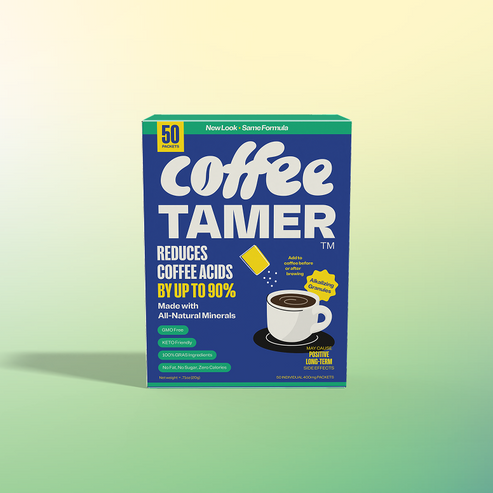
Specialized products, like those offered by Coffee Tamer, can effectively reduce coffee acidity by neutralizing acids in the beverage. These products are easy to use and maintain the original flavor of your coffee. Explore advanced guides and tips on using such products to enhance your coffee experience.
Experiment with Brewing Ratios
Adjusting the coffee-to-water ratio can influence acidity levels. Experiment with different proportions to find a balance that reduces acidity while preserving flavor.
Modify Brewing Temperature
Lowering the brewing temperature can also help reduce acidity. Aim for a temperature range between 195?F and 205?F for optimal results. Discover expert strategies here on how temperature adjustments can refine your brewing process.
Conclusion
Reducing acidity in coffee doesn’t mean sacrificing flavor or aroma. By choosing the right beans, adjusting roasting preferences, and exploring innovative brewing methods, you can enjoy a delicious, less acidic cup of coffee. Embrace these strategies to tailor your coffee experience to your liking, ensuring each sip is both enjoyable and gentle on the stomach.