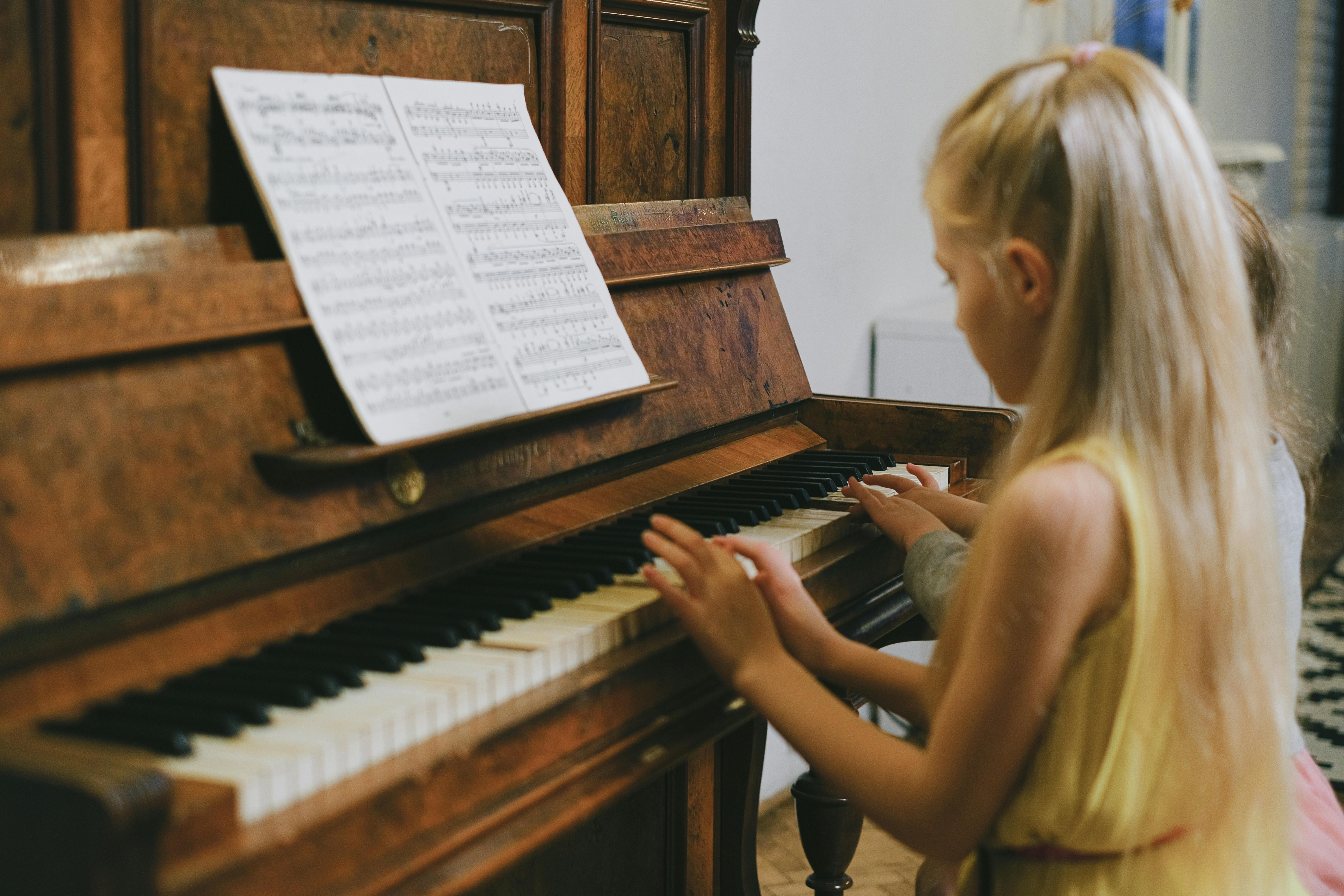
Music is a universal language that transcends boundaries and connects people from all walks of life. It’s not just a form of entertainment but also a vital educational tool that can play a significant role in child development. Enrolling children in music classes can offer numerous benefits that extend beyond simply learning to play an instrument or sing. These classes can be a foundation for lifelong skills, fostering emotional growth, enhancing cognitive abilities, and encouraging social interaction among peers. In this article, we delve into the various benefits of kids music classes and why they are an essential part of a child’s educational journey. For further insights on the subject, you might want to read more about this topic.
Enhancement of Cognitive Skills
Music classes are known to significantly enhance cognitive skills in children. Engaging with music stimulates different parts of the brain, which can contribute to improved memory, attention, and problem-solving skills. These classes can help in:
- Boosting memory retention and recall abilities.
- Enhancing spatial-temporal skills, which are crucial for subjects like mathematics and science.
- Improving literacy and language development by exposing children to rhythm, rhyme, and new vocabulary.
For parents and educators looking to enrich a child’s cognitive development, enrolling them in music classes might be a beneficial step. To explore further insights here, consider the broad impacts music education can have on a child’s learning journey.
Emotional and Social Development
Building Emotional Intelligence
Music classes can significantly contribute to a child’s emotional growth by allowing them to express feelings and emotions in a supportive environment. Through music, children learn to understand and manage their emotions better, which aids in developing emotional intelligence. This can lead to:
- Increased empathy and understanding of others’ emotions.
- Improved self-regulation and discipline.
- Enhanced confidence and self-esteem through performance opportunities.
Promoting Social Skills
Participating in group music classes can also foster essential social skills. Children learn to work together towards a common goal, listen actively to each other, and communicate effectively through non-verbal cues. This teamwork can contribute to:
- Building friendships and developing a sense of community.
- Enhancing communication skills through collaborative activities.
- Fostering a sense of responsibility and accountability.
Music classes provide a platform for children to practice these social skills in a fun and engaging way. For educators and parents interested in this aspect of music education, you can learn more in this detailed guide.
Encouraging Creativity and Self-Expression
Music is inherently creative and offers children a unique avenue for self-expression. By experimenting with different sounds and rhythms, children can unleash their creativity and express their individuality. This can lead to:
- Development of original ideas and innovative thinking.
- Improved ability to articulate thoughts and emotions creatively.
- An appreciation for diverse musical genres and cultures.
Encouraging creativity through music can have lasting impacts on a child’s ability to think outside the box and approach problems from different perspectives. For more on this topic, you can find additional information here.
Conclusion
Music classes for children offer a plethora of benefits that extend beyond the mere act of making music. They are instrumental in enhancing cognitive skills, fostering emotional and social development, and encouraging creativity. As such, they are a valuable addition to any child’s educational experience. By engaging with music, children not only learn to appreciate the art form but also develop essential life skills that will serve them well into adulthood. For those interested in integrating music education into a child’s learning pathway, further resources and insights can be beneficial. To continue exploring the multifaceted benefits of music education, consider visiting this comprehensive resource.