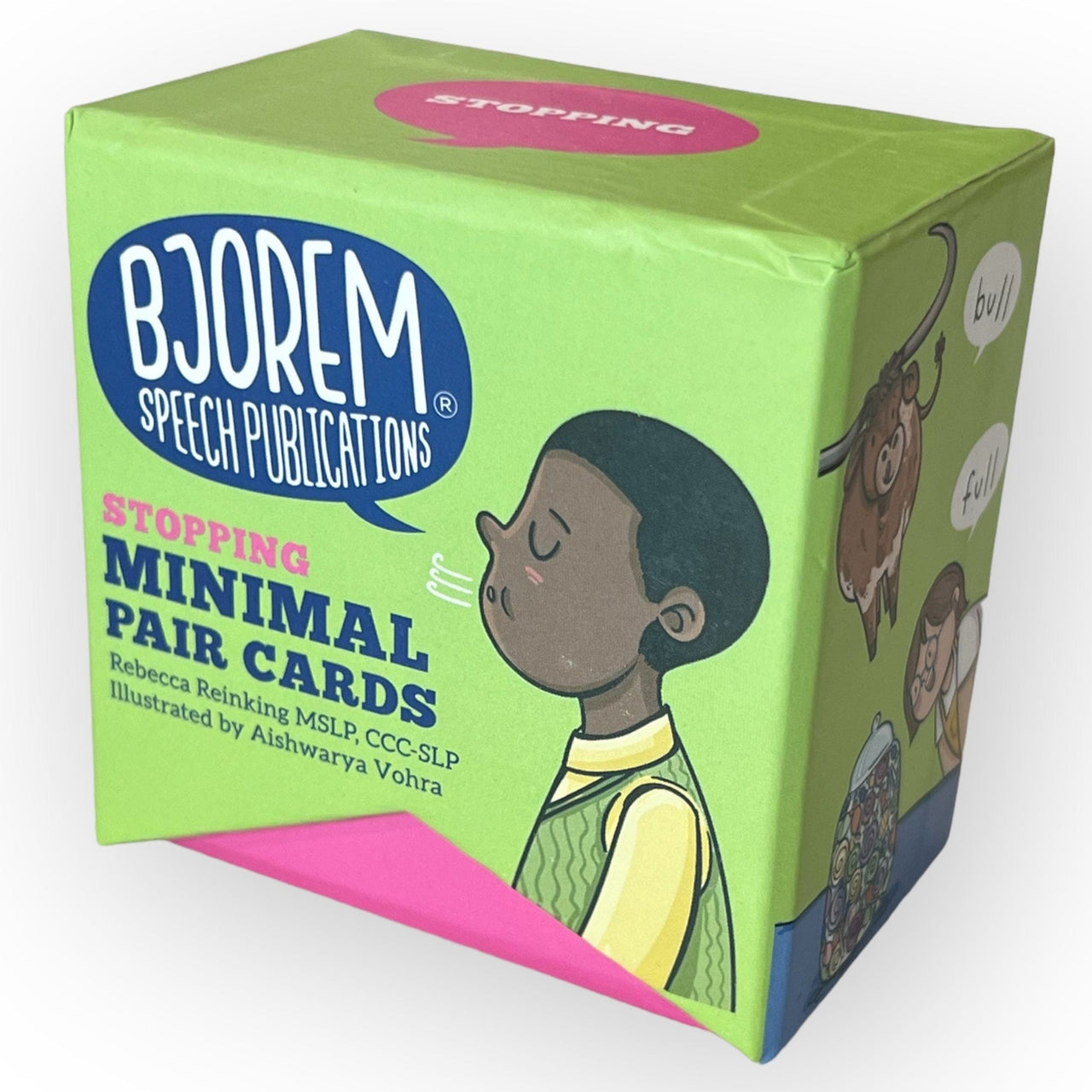
The art of learning a new language is a journey filled with challenges and triumphs. For English as a Second Language (ESL) learners, one common hurdle is mastering pronunciation. Minimal pairs?words that differ by only one sound, like “pat” and “bat”?are a key focus in developing phonetic accuracy. Picture cards depicting minimal pairs provide a visual and engaging way to practice these sounds, making them an invaluable tool for ESL educators. This article explores how to effectively use minimal pairs picture cards in the classroom, offering strategies and tips to enhance language learning through visual aids.
Understanding Minimal Pairs
Minimal pairs are pairs of words or phrases in a language that differ in only one phonological element, such as a vowel or consonant, and have distinct meanings. They are crucial in teaching pronunciation as they highlight subtle sound differences that can alter meanings. For ESL learners, recognizing and producing these differences is essential for clear communication.
The Benefits of Using Picture Cards
Picture cards are an engaging, multi-sensory tool that can significantly enhance the learning experience. Here are some benefits of using minimal pairs picture cards in ESL education:
- Visual Learning: Pictures help learners associate sounds with visual cues, aiding memory retention and comprehension.
- Interactive Engagement: Picture cards promote active participation and can be used in various interactive activities.
- Versatile Application: They can be adapted to different proficiency levels and used in both individual and group settings.
- Cultural Relevance: Cards can include culturally relevant images, making learning more relatable and contextually rich.
Implementing Picture Cards in the Classroom
Activity Ideas
Incorporating picture cards into classroom activities can make learning phonetics both fun and effective. Here are some suggested activities:
- Matching Games: Have students match cards with similar sounds, promoting auditory discrimination and sound recognition.
- Sound Sorting: Students sort cards into groups based on their initial or final sounds, reinforcing phonetic distinctions.
- Memory Challenges: Use a set of minimal pairs cards in a memory game to encourage recall and reinforce sound differences.
- Role-Playing: Students use cards in dialogues or role-playing scenarios to practice pronunciation in context.
For more information on these activities, explore further insights here.
Designing Your Own Picture Cards
Creating custom picture cards can tailor the learning experience to the specific needs of your students. Consider the following tips when designing your own cards:
- Relevance: Use images that are culturally relevant and easily recognizable to your students.
- Clarity: Ensure that images are clear and distinguishable to avoid confusion.
- Variety: Include a diverse range of minimal pairs to cover different phonetic challenges.
- Durability: Print cards on sturdy material to withstand frequent use.
Find additional information on creating effective picture cards here.
Conclusion
Minimal pairs picture cards are a dynamic resource in the ESL classroom, bridging the gap between auditory and visual learning. By integrating these tools into language instruction, educators can enhance pronunciation skills and foster a more engaging and effective learning environment. Whether through pre-designed sets or custom creations, the strategic use of picture cards can significantly impact pronunciation proficiency and overall language acquisition. For a more detailed guide on implementing these strategies, learn more in this detailed guide here.