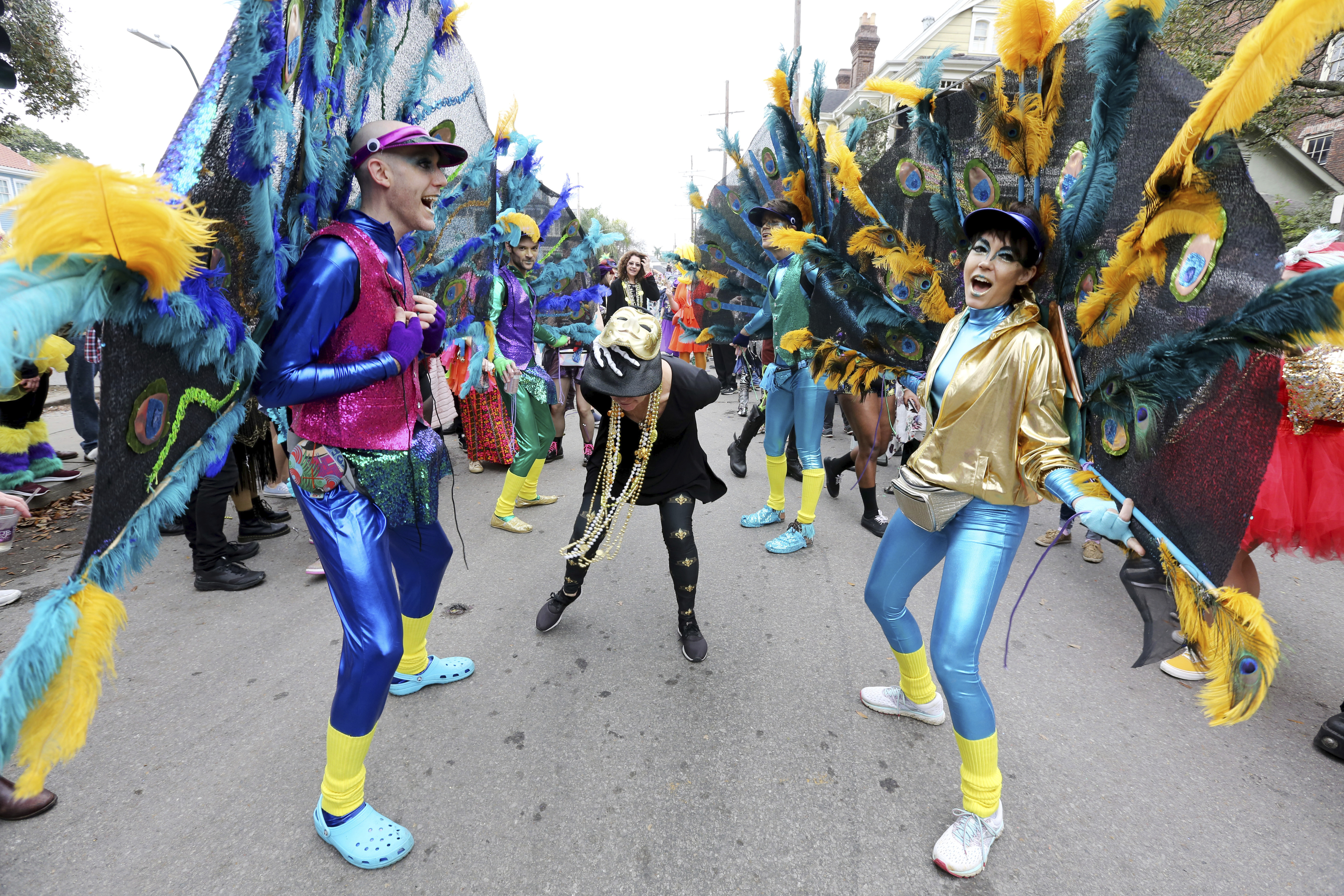
New Orleans is a city renowned for its vibrant cultural tapestry, which is never more apparent than during Mardi Gras. This annual celebration is a feast for the senses, known for its parades, costumes, music, and, importantly, its dance culture. Dance in New Orleans during Mardi Gras is not just a form of entertainment; it’s a vital expression of the city’s rich history and diverse heritage. From traditional jazz to modern hip-hop, Mardi Gras offers a unique platform for dance to flourish in all its forms, making it an essential component of the festivities.
The Roots of Dance at Mardi Gras
Dance has been a significant part of Mardi Gras since its inception. The celebration is a melting pot of various cultural influences, reflecting the city’s historical diversity. The African, French, Spanish, and Caribbean heritages have all contributed to the rich tapestry of dance styles seen during Mardi Gras. Traditional dances, such as the Second Line, are deeply rooted in the African-American community and represent a fusion of African rhythms with European brass bands. This tradition has evolved, yet it remains a crucial aspect of the Mardi Gras experience.
Traditional Dance Styles
- The Second Line: A parade style dance that is both a celebration and a form of community expression.
- Jazz Funerals: A somber yet uplifted dance form marking the passage of a loved one.
- Creole Quadrille: A historical dance style reflecting the Creole influence on New Orleans culture.
Modern Dance Influences
While traditional dances are still celebrated, contemporary styles have also made their mark on the Mardi Gras scene. Modern dance influences include hip-hop, bounce, and street dance, which have been embraced by the younger generation. These styles offer a dynamic and energetic contrast to the more traditional forms, showcasing the evolving nature of dance culture in New Orleans.
Contemporary Dance Trends
- Hip-Hop: A global phenomenon that has found a unique expression in the streets of New Orleans.
- Bounce Music: A sub-genre of hip-hop that originated in New Orleans, known for its fast-paced rhythms.
- Street Dance: A freestyle dance style that is popular in urban environments, often seen during Mardi Gras parades.
Dance Crews and Performers
Dance crews and performers play a crucial role in bringing the excitement of Mardi Gras to life. Numerous groups, including well-known new orleans dance mardi gras troupes, embody the spirit of the festival through their vibrant performances. These performers, ranging from seasoned professionals to enthusiastic amateurs, contribute to the electric atmosphere that characterizes Mardi Gras.
Notable Dance Groups
- The 610 Stompers: Known as “ordinary men with extraordinary moves,” this group brings humor and creativity to their performances.
- The Baby Dolls: A historic group of women dancers that dates back to the early 20th century.
- New Orleans Society of Dance: This organization is dedicated to preserving the city’s dance heritage while fostering new talent.
The Impact of Dance on Mardi Gras
The impact of dance on Mardi Gras is profound. It serves as a medium for storytelling, cultural expression, and community bonding. Dance performances during Mardi Gras are not just about entertainment; they are a celebration of life and a reflection of New Orleans’ cultural diversity. The fusion of traditional and modern styles highlights the city’s ability to honor its past while embracing the future, making dance an integral part of the Mardi Gras experience.
For those planning to experience the vibrant dance culture of Mardi Gras, understanding its historical and cultural significance enhances the appreciation of the festivities. Dance is a universal language that transcends barriers, and in New Orleans, it is the heartbeat of Mardi Gras.