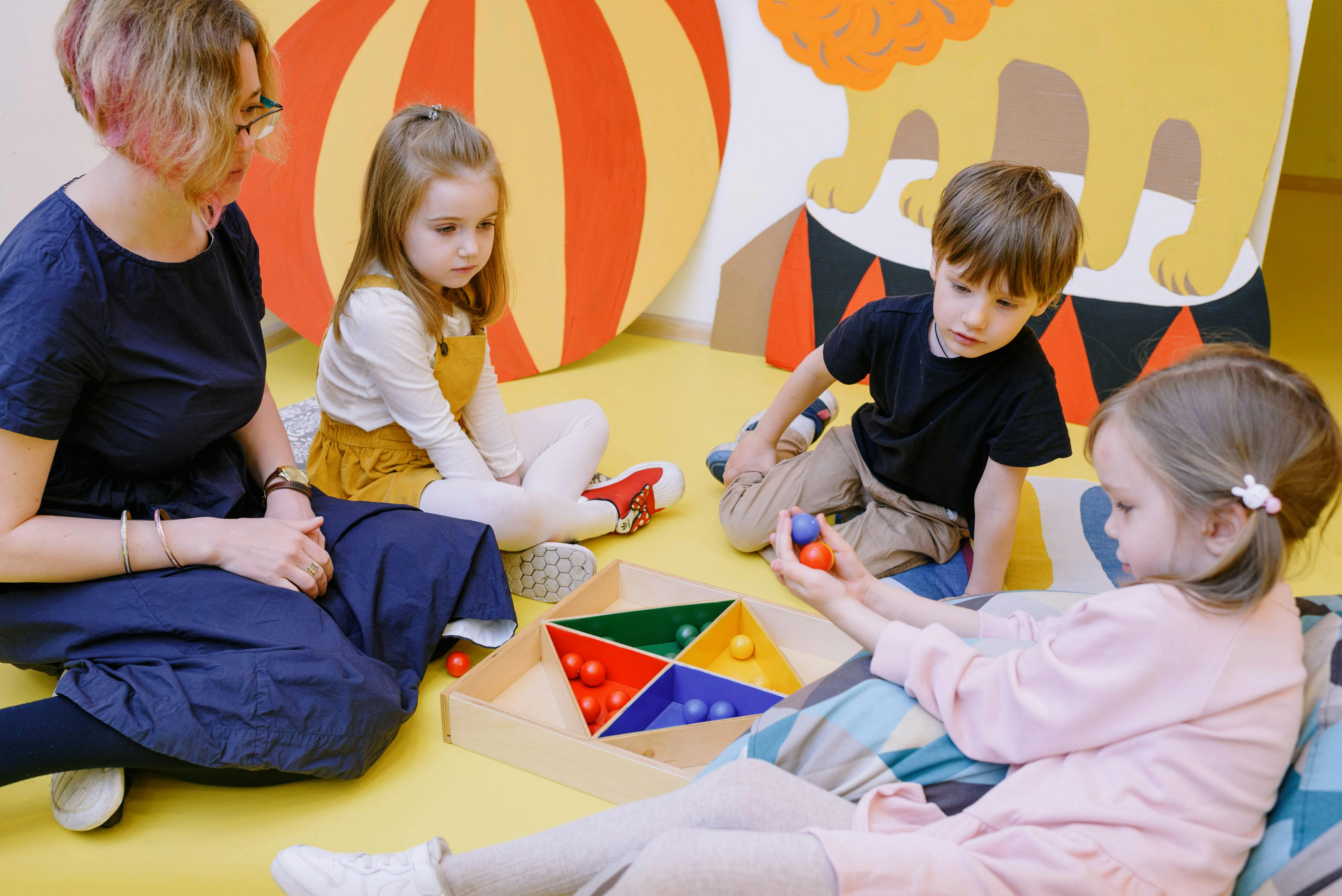
In recent years, the Montessori philosophy has gained considerable attention for its unique approach to early childhood education. This method emphasizes child-led learning, fostering independence, and supporting the natural development of children. For parents and educators seeking to enhance toddler learning and development, the Montessori philosophy offers valuable principles and practices that can be effectively integrated into everyday routines. By understanding and applying these concepts, caregivers can create an enriching environment that supports toddlers in becoming self-motivated learners.
Understanding the Montessori Philosophy
The Montessori philosophy, developed by Dr. Maria Montessori, is based on the belief that children are naturally curious and capable of initiating learning in a supportive, thoughtfully prepared environment. Key elements of this philosophy include:
- Child-Centered Learning: The Montessori approach emphasizes the importance of allowing children to choose their activities and work at their own pace.
- Prepared Environment: Classrooms and play areas are designed to be accessible and inviting, encouraging independence and exploration.
- Respect for the Child: Children are treated with respect and dignity, fostering a sense of self-worth and confidence.
- Hands-On Learning: Montessori materials are designed to be tactile and engaging, helping children to develop practical skills.
- Mixed-Age Grouping: Children of different ages learn together, promoting peer learning and collaboration.
Read more about this topic and its foundational principles here.
Benefits of Montessori for Toddlers
Implementing Montessori principles can significantly benefit toddlers by fostering an environment that encourages natural learning and development. Some of the key advantages include:
- Enhanced Concentration: Montessori environments encourage toddlers to focus on tasks for extended periods, improving attention span and perseverance.
- Development of Independence: Children are encouraged to complete tasks on their own, fostering self-reliance and problem-solving skills.
- Social Development: Interacting with peers in a mixed-age setting helps toddlers develop empathy, communication skills, and teamwork.
- Emotional Growth: A respectful environment nurtures emotional intelligence, helping toddlers express their feelings appropriately.
For a deeper understanding of these benefits, explore further insights here.
Implementing Montessori at Home
Creating a Montessori-Friendly Environment
Parents and caregivers can easily adapt Montessori principles at home to support their toddler’s learning journey. Here are some practical tips:
- Simplify the Space: Declutter play areas and keep only a few toys available, rotating them regularly to maintain interest.
- Child-Sized Furniture: Use furniture that is appropriately sized for toddlers, allowing them to access materials independently.
- Accessible Storage: Organize toys and learning materials on low shelves, making them easily reachable for toddlers.
- Encourage Exploration: Provide a variety of materials that stimulate curiosity and allow for hands-on exploration.
Learn more in this detailed guide on how to set up a Montessori environment at home here.
Activities to Encourage Learning
Incorporating Montessori-inspired activities into daily routines can greatly enhance a toddler’s learning experience. Consider these ideas:
- Practical Life Skills: Involve toddlers in daily tasks such as cooking, cleaning, and gardening to develop fine motor skills and independence.
- Sensory Play: Use materials like sand, water, and clay to provide sensory experiences that stimulate learning.
- Language Development: Engage in conversations, storytelling, and reading to expand vocabulary and communication skills.
- Mathematical Concepts: Introduce counting, sorting, and pattern recognition through everyday activities.
For additional information on Montessori activities, find additional information here.
Conclusion
The Montessori philosophy offers a comprehensive framework to support toddler development through its child-centered, respectful approach. By adopting these principles, parents and educators can create an environment that nurtures independence, curiosity, and a lifelong love for learning. As more families explore this method, the potential for enhancing toddler learning becomes increasingly evident. Explore further insights on implementing Montessori practices and discover the transformative impact it can have on young learners.