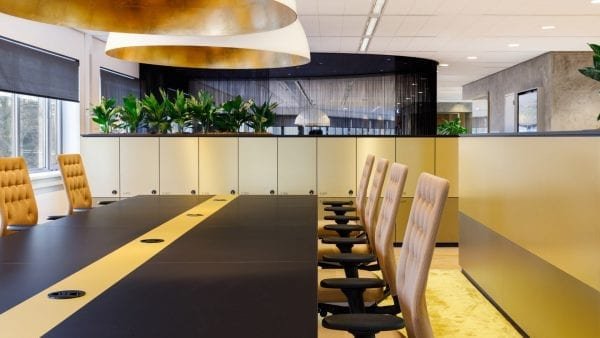
High Pressure Laminate (HPL) is transforming the landscape of interior design with its versatility, resilience, and aesthetic appeal. Known for its durability and wide array of design options, HPL is becoming a go-to choice for architects and interior designers aiming to create spaces that are both functional and visually appealing. This material offers an exceptional blend of form and function, making it ideal for various applications in both residential and commercial settings.
What is High Pressure Laminate?
High Pressure Laminate is a composite material made by fusing multiple layers of kraft paper with a decorative layer and a protective overlay. These layers are bonded under high pressure and heat, resulting in a durable and aesthetically pleasing surface. HPL is known for its:
- High resistance to scratches and impacts
- Wide range of colors, patterns, and textures
- Ease of maintenance and cleaning
- Cost-effectiveness compared to natural materials
For a deeper understanding of the production process and properties, read more about this topic.
Benefits of Using High Pressure Laminate in Interior Design
The benefits of incorporating HPL into interior design projects are numerous, making it a preferred choice for many professionals. Here are some key advantages:
Durability and Longevity
High Pressure Laminate is renowned for its strength and resistance to wear and tear. It is ideal for high-traffic areas where durability is a priority. The material’s robust nature ensures that surfaces retain their look over time, even with frequent use.
Design Flexibility
HPL offers extensive design possibilities, with numerous options in terms of colors, finishes, and textures. This flexibility allows designers to achieve the desired aesthetic, whether aiming for a modern, minimalist look or a rich, traditional style. Explore further insights here.
Cost-Effectiveness
Compared to other materials such as natural stone or solid wood, HPL is a more budget-friendly option. It provides a similar visual appeal without the high costs associated with these materials. This makes HPL an attractive choice for projects with budget constraints.
Applications of High Pressure Laminate
High Pressure Laminate’s versatility allows it to be used in a variety of applications across different settings. Some common uses include:
- Countertops: HPL is a popular choice for kitchen and bathroom countertops due to its resistance to moisture and stains.
- Wall Panels: It can be used to create striking feature walls or to cover large areas with a seamless finish.
- Furniture: HPL is often used in the production of durable and stylish furniture pieces, from tables to cabinets.
- Flooring: With its durability, HPL is also suitable for flooring applications in both residential and commercial spaces.
To discover more about the potential applications of HPL, learn more in this detailed guide.
Environmental Considerations
In an age where environmental sustainability is paramount, HPL stands out as an eco-friendly option. The production processes for HPL prioritize the use of sustainable materials and practices, minimizing the environmental footprint. Additionally, HPL products are often recyclable at the end of their lifecycle, contributing to a circular economy.
For those interested in the environmental benefits and sustainability of HPL, find additional information here.
Conclusion
High Pressure Laminate offers a multitude of benefits that make it a valuable addition to any interior design project. Its durability, design versatility, and cost-effectiveness, combined with its environmentally friendly attributes, position it as a leading choice for designers and architects. By incorporating HPL into your projects, you can achieve stunning, long-lasting results that meet both aesthetic and functional demands.